Shanghai's new dawn placed in sharp focus










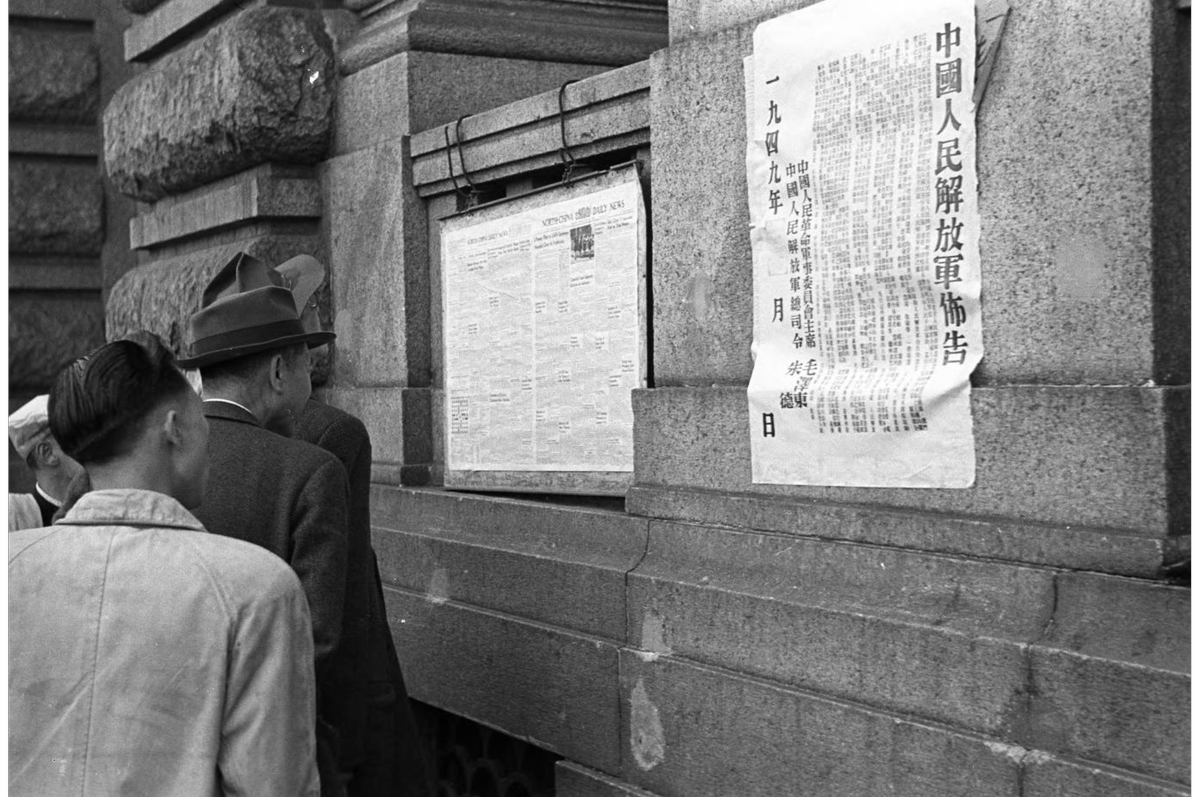
Three-day battle
In the documentary, Wang states, "What impressed me most was how during the battle for the liberation of Shanghai, the PLA was instructed to cause as little harm and damage to the city and people as possible, and how the soldiers were so disciplined."
As the PLA advanced into downtown Shanghai in May, 1949, Suzhou Creek, which runs through the city, and large buildings along its banks became the last line of defense for Kuomintang troops.
Powell, the China Weekly Review editor, lived in Embankment Building overlooking the Suzhou Creek battlefield. At the time, this big apartment block housed more than 1,000 residents, 300 of them expatriates.
Ahead of the battle, the building became a refuge for the Kuomintang, who planned to make Shanghai a "Stalingrad of the East". Powell became anxious and scared, like others in the neighborhood.
He wondered if the PLA would lose patience and bring out its artillery to attack the river bank.
Another US journalist, Harrison Forman, was on the roof of the Cathay Hotel looking down on advancing PLA soldiers. What he saw surprised him.
He quickly jotted down in his notebook: "Amazing that Palu (Ba Lu, or the Eighth Route Army, as the PLA was often called at the time) haven't tried to enter the hotel. Their discipline is really something. How easy it would be for them to come in, set up some machine-gun on the roof or in the Bund-side rooms and blast the Garden Park Nationalist defenders."
After the three-day battle at Suzhou Creek, Powell and other residents of Embankment Building were relieved to find their homes intact. As well as being strictly instructed not to use heavy artillery inside the city to avoid causing damage, the PLA was not allowed to enter private property.
Landmark structures such as Broadway Mansion, the General Post Office Building and Embankment Building were left intact. Together with Suzhou Creek, they are some of the most notable sights in the city.
When the battle was over, Forman walked to Nanjing Road in downtown Shanghai and saw something even more surprising.
He described in his notebook PLA soldiers sleeping outdoors on Nanjing Road, instead of finding beds in hotels or private property.
"It's a touching scene. These youngsters must be dead tired marching and fighting for days and nights.… All afternoon they slept soundly along Nanjing Road on the sidewalks, a most incredible thing for a conquering army to do," Forman wrote.