



Goals signal switch to low-carbon track









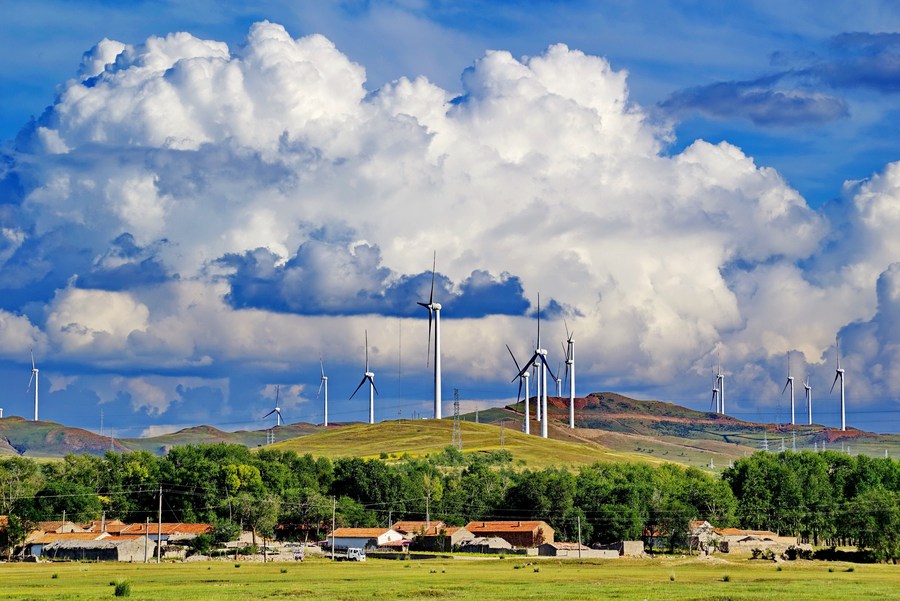
That China will strive to peak its carbon emissions before 2030 and achieve carbon neutrality before 2060 is a decision of strategic importance the central authorities have made that directly concerns the sustainable development of the country.
Setting these targets demonstrates China's sense of its responsibility to act in response to climate change, and is conducive for it to realize multilateral cooperation through climate diplomacy.
To realize the goals will necessarily prompt the country to pursue green development and make breakthroughs in relevant technologies and industries, and advance its clean energy transformation.
It is predictable that China will develop more low-carbon and clean-energy technologies and industries to gradually get rid of its reliance on fossil fuels, and the nation will actively popularize a low-carbon lifestyle and make energy-saving a consensus of the entire society.
The challenges, however, are also evident. China's industry is sensitive to the fluctuations in energy prices, and coal still accounts for a very large share in China's energy consumption portfolio. China must balance its carbon emissions reduction with its economic growth and social development.
The country already has a solid foundation for the development of clean-energy and low-carbon technologies, and the building of the national carbon emissions trading market is in line with realizing the emissions targets.
If its carbon emissions reduction technologies and institutions can be fully developed and their intended purposes be realized, reducing carbon emissions can become a new growth pole in the long run.
There must be an order of priority to realize the carbon neutrality among different regions and sectors. For instance, the better-off coastal regions should peak their carbon emissions as soon as possible to win more time and space for the western and central parts of the country, and the industrial, energy, transportation and construction sectors should lead the way in peaking their carbon emissions by embracing clean energy solutions.
Governments of various levels should ensure their public and industrial policies promote the green transition.





