Lawmakers say seed bank key to grain security









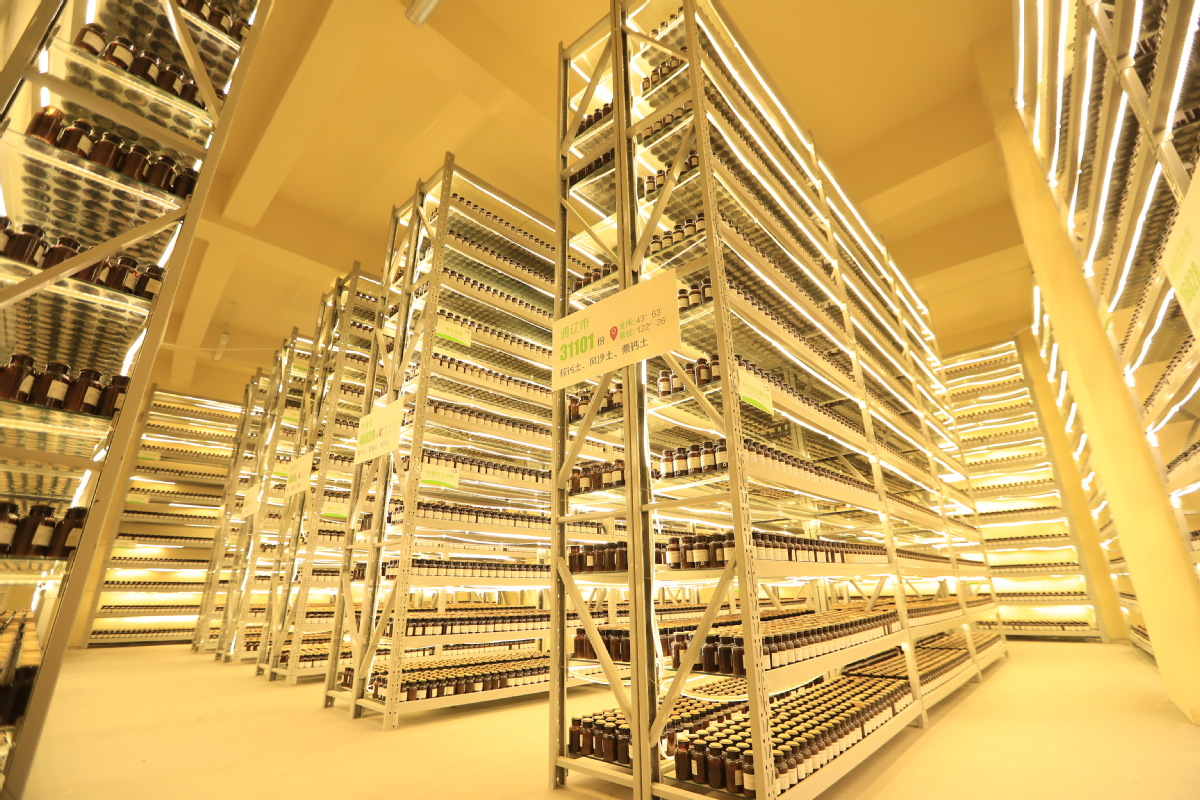
Legislators have called for the creation of a national seed bank system to protect characteristic crops and seeds, resolve farm-related issues and ensure grain security in the country.
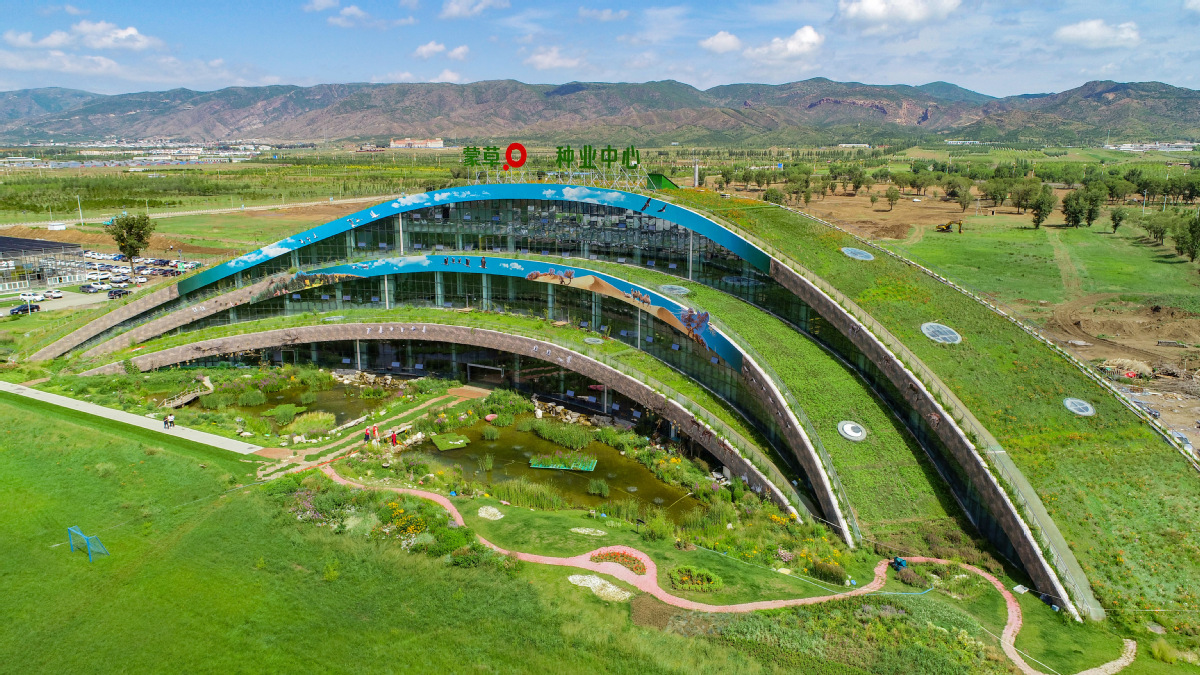
Wang Zhaoming, chairman of Inner Mongolia M-Grass Ecology and Environment Group Co, and a member of the 13th National Committee of the Chinese People's Political Consultative Conference, said a survey conducted by Ministry of Agriculture and Rural Affairs revealed that there has been a steady erosion in the country's crop germ plasm resources, or characteristic crops.
"Currently, over 90 percent of the grass seeds used for ecological construction, meadow planting and city grasslands in the country are imported," he said.
To reduce the overseas dependence, it is necessary to collect, identify, evaluate and protect characteristic crops with local features and bring them under a national characteristic seed industry system.
Yu Guangjun, director of the economic research institute at the Inner Mongolia Academy of Social Sciences, said the proposal supports the country's ecological construction and environmental protection plans outlined in the 14th Five-Year Plan (2021-25).
The 14th Five-Year Plan has termed ecological construction as a strategic perspective. According to Yu, the country is already facing severe ecological pressure, as the northern regions of the Yellow River is reeling from dry climate.
Stressing the need for a national seed bank system, Yu said the safety of the seed industry guarantees food safety. Characteristic grass seeds can help in creating adequate meadows and this, in turn, will reduce the livestock's dependence on grains, he said.
By the end of 2025, China may see a grain supply gap of around 130 million metric tons, with livestock accounting for 80 percent of the supply gap, said a report published by the Chinese Academy of Social Sciences.
"The real food supply gap comes from livestock. Therefore, planting grasslands, by taking full advantage of agricultural farmland resources, is actually saving food for humans," Ren Jizhou, an academician at the Chinese Academy of Engineering, said in an interview with China Science Daily.
Wang from M-Grass said a digital plantation system needs to be established, so that farmers are able to know where and how to plant the characteristic seeds.
"Different farmlands have different water, soil and air conditions. With the digital system, farmers will have better knowledge about local conditions, the kind of seeds suitable for planting, the required quantity and disease prevention. They will also be able to make crop forecasts," he said.
It is also important for agricultural enterprises to serve as the major force to drive the modernization of the characteristic seed industry, said Wang.
The government should offer specific policy support to leading enterprises, such as creating a special long-term reward and compensation mechanism that involves land circulation, subsidies for high-quality seeds, mechanized processing and planting, and digital management, he said.
"With leading enterprises taking a lead in ecological construction, China is still at an exploratory stage of ecological industrialization. Institutional mechanisms should be established to promote the development of enterprises, by offering guidance in technological innovation and market promotion," Yu said.
On Feb 21, the central authorities issued the "No 1 central document", which focused on the rural revitalization, saying China will improve the ability to ensure supply of grains and other agricultural products. It lists the targets and tasks concerning agriculture and rural areas for 2021 and outlines a broader vision until 2025.




- Typhoon Mitag makes landfall in South China's Guangdong, forcing school closures, transport halts
- Xizang region charts 'remarkable' advances in public healthcare
- 'Significant' gold resources discovered in Jiangsu province
- Peng Liyuan attends UNESCO award ceremony for girls', women's education
- Hunan university gives valuable lesson on Mao Zedong's youth
- Illegal disposal of hazardous waste under probe after public complaints