



Over to market regulators to cut emissions









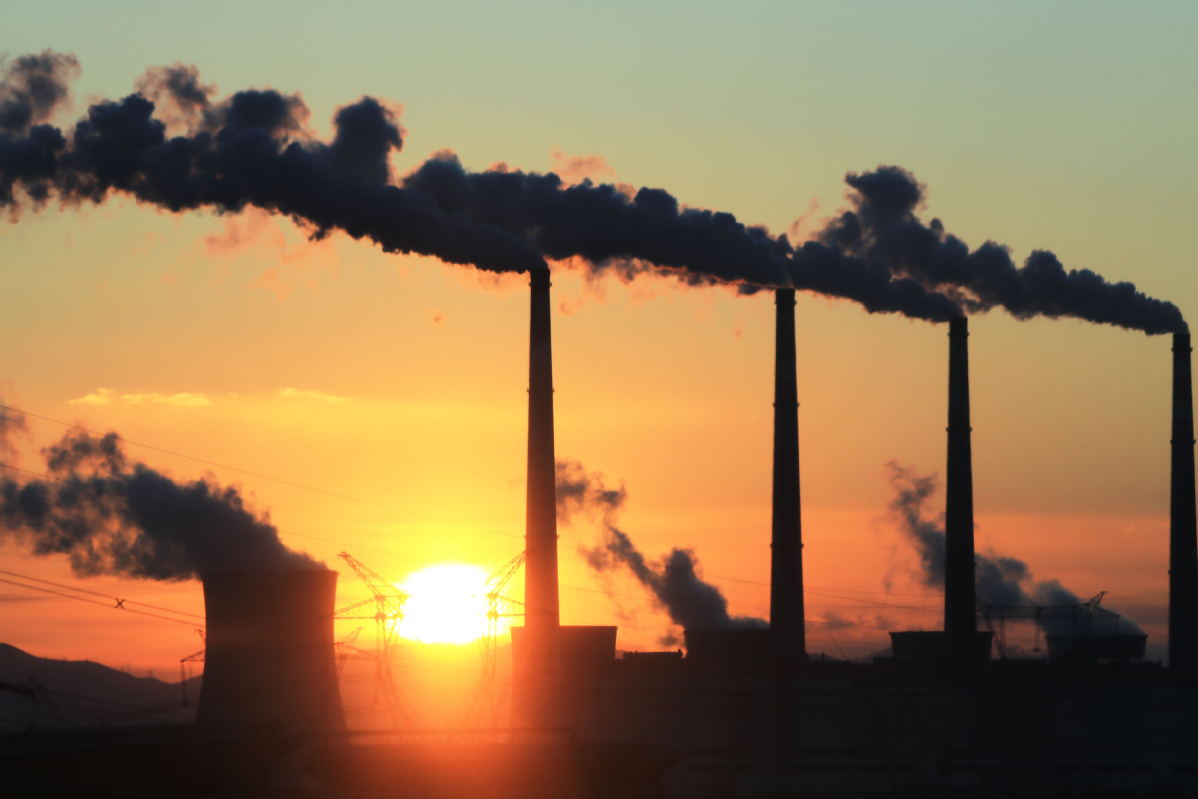
The "Administrative Measures for Carbon Emissions Trading (Trial)", which are regulations on carbon emissions permitting trading, were implemented in China on Monday. That means the carbon trading market in the country will now be better regulated, which is indispensable for China to realize carbon neutrality before 2060.
The enterprises have their emission quota each year, and they can buy quota from other enterprises that have not used up their quota, and vice versa. The introduction of a market mechanism to reduce carbon emission can prompt the emitters to increase input to reduce emissions and use more renewable energy, opening up development opportunities for the renewable energy industry.
Also, enterprises will now have greater freedom in terms of reducing emissions, and they can see carbon emission reduction bringing about tangible benefits. The emission reduction process will be transformed from a compulsory task assigned by the government but possibly eating into enterprises' profits to a remunerative business, so that more enterprises take the initiative to cut emissions.
Eight provincial-level regions have piloted the carbon trading market over the past few years. However, many of their carbon trading markets remain underdeveloped as supervision is not sufficient, and there lacks transparency. As a result, enterprises prefer paying fines to the government than "buying" emission rights.
As their experiences show, the normal functioning of the market is based on well-set emission quotas for different enterprises, reasonable pricing of per unit of the quota, strict supervision and sufficient transparency.
To set the quota entails not only reviews of the enterprise's historical emission records, but also analysis and projection of its future development prospects. The pricing of per unit of the quota should be decided by the market, rather than the government.
The authorities should lower the threshold for the carbon trading market to welcome more participants from different industries, and encourage them to diversify the trading model and trading derivatives, as well as the thriving of relevant financing industries, so that more investors and financial institutions are drawn to this market.
To some extent, to make the market work, the market regulators need to do more than the market players.
LIN BOQIANG, A RESEARCHER OF ENERGY POLICIES AT XIAMEN UNIVERSITY





