


Sculpting a legacy
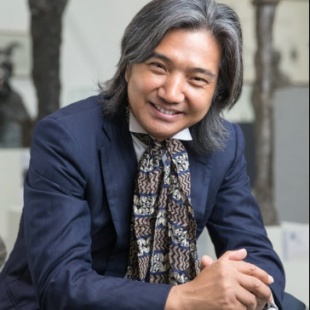
In his role as director of the NAMOC, Wu Weishan is helping to elevate the museum's cultural influence, Lin Qi reports.









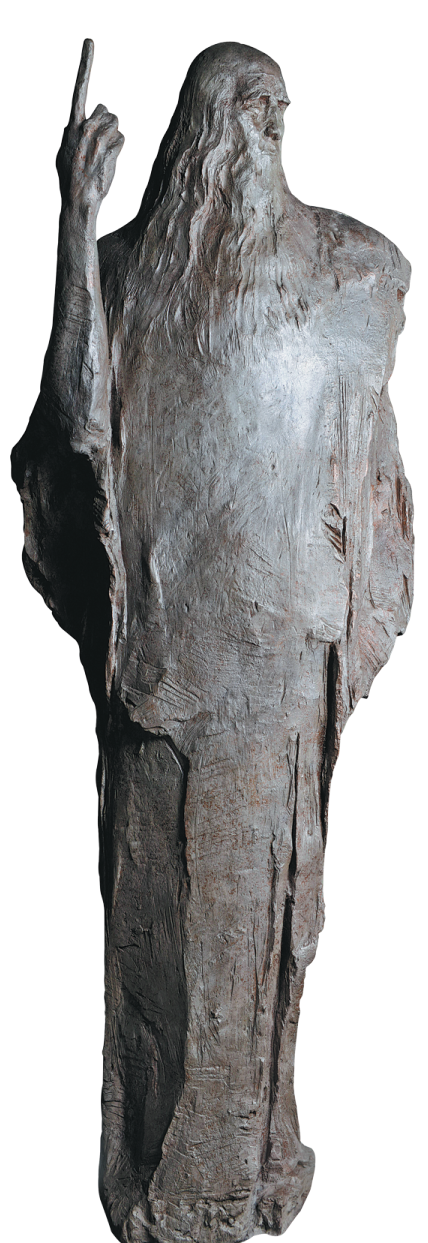
Immortal ideals
Retaining the NAMOC's diverse program while coping with the pandemic has been a great challenge for Wu since he took over the museum's directorship in September 2014.
"Our goal is to build a world-class art museum, to become a peak rising up on a highland of art and culture … so that we can make a contribution to taking Chinese culture to the world's center stage and generate a global influence," Wu says.
After the NAMOC reopened its gates, people have found an exhibition calendar as varied and exciting as before.
For example, the museum's widely acclaimed series, Exhibitions of Recent Donations and Previous Collections, which Wu initiated shortly after he assumed office, continues to inspire visitors.
Such exhibitions included Heritage Immortal, which showed in December the works by members of French Academy of Fine Arts and are drawn from the NAMOC's considerable collection of French art.
Didier Bernheim, a French Academy of Fine Arts corresponding member, says members of the French Academy of Fine Arts are referred to as "persons of immortality" in France, and entering the NAMOC's collection makes these works "immortal" on a different continent.
In October, Shandong artist Wang Keju displayed Yellow River, a collection of 101 vivid oil paintings, totaling some 161 meters in length, at the NAMOC. He completed them in late 2019. Wang says he donated the panoramic work to the museum because "this body of canvases should not be in someone's own possession, and it belongs to the nation and its people".
Wu says leading the trend of creation and aesthetic values is at the heart of the NAMOC's mission, and rotating the collection via exhibitions, both at and outside the museum, fulfills this goal.
"We often say art comes from people and life. We should not confine art to storage. We should make it as accessible as possible to the public, so that people can connect with art and, through it, be able to communicate with the artists."
The NAMOC has assembled a collection of over 120,000 works of art since its establishment in 1963, including those by masters at home and abroad, such as Qi Baishi and Pablo Picasso.
Wu says that, even in the past year when cultural activities were affected by the pandemic, the museum still received some 700 donations, including several paintings and documents from the family of Rong Geng, the late scholar of Chinese paleography, educator and connoisseur of antiquities.
"The NAMOC's collection preserves a sample of quality ancient Chinese art and time-honored folk culture. It also includes some iconic artworks of modern China, especially after the founding of the People's Republic of China in 1949," Wu says.