



Climate change and fate of the Earth









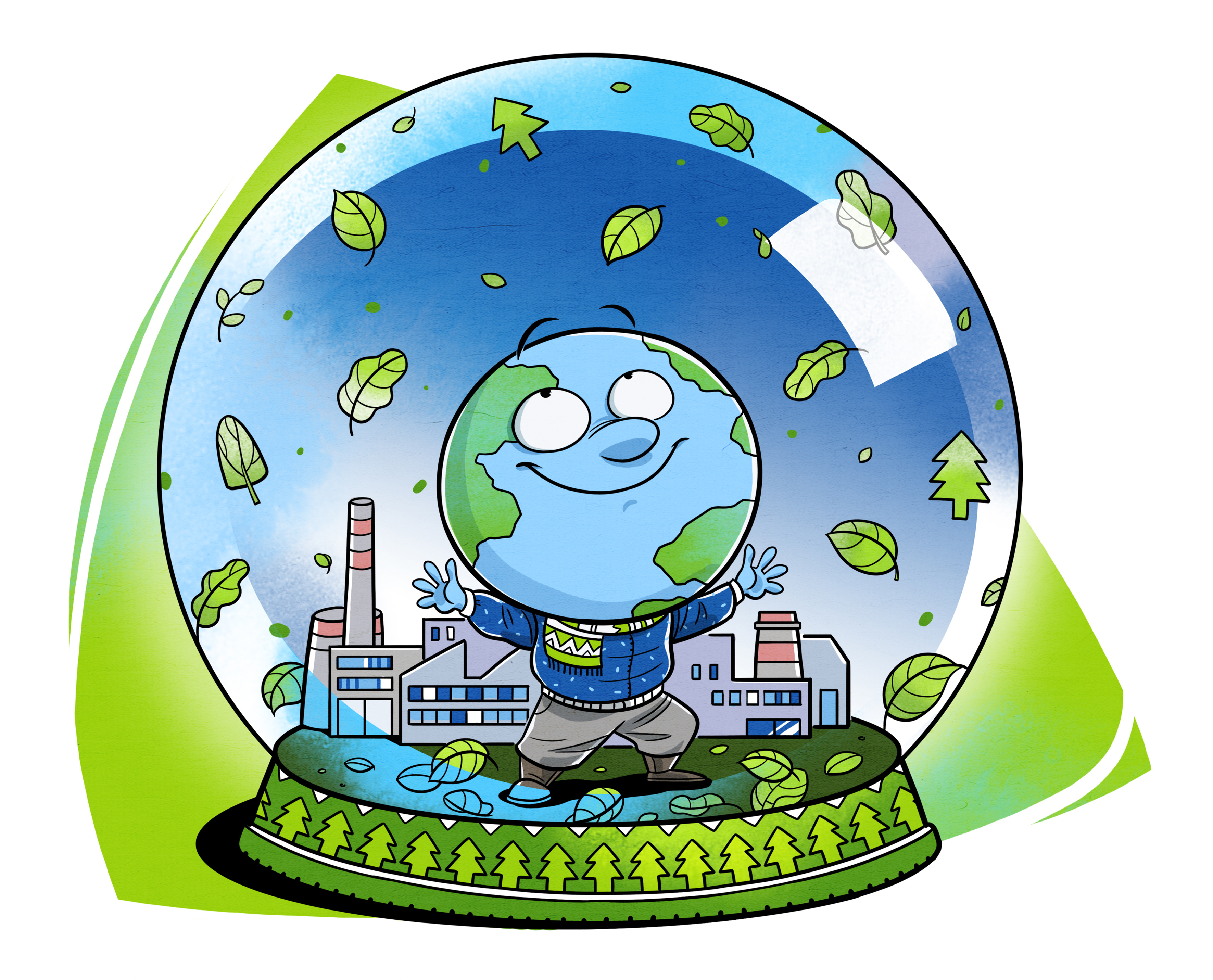
Most of the stuff we need to live is human-made, except air and sunshine. The food we eat. The treated water we drink. The clothes we wear. The houses we live in. The transport vehicles we use. The computer, the phone, everything is made by humans. Yet they are all sourced from nature. Even synthetic fabric and the omnipresent plastic.
As such, natural substances-or living beings alone which together are called biomass-should outweigh human-made objects. But that may no longer be the case.
According to a scientific study published in the journal, Nature, on Wednesday, 2020 could be the year when human-made mass surpasses the overall weight of biomass, which is estimated to be about 1,100 billion tons, or 1.1 teratons. Which should give us an idea of the devastating impact humans have on the health of planet Earth, its mineral and fuel deposits, water sources, ice cover, mountains, forests and peat bogs, its overall environment and ecology-and how much natural resources we have consumed or destroyed to build our modern societies including roads and railways.
Human-made objects can be divided into six categories: concrete, aggregates (including materials like gravel), bricks, asphalt, metals and "other" materials, which include plastic, wood used for construction, and paper and glass. And the overwhelming bulk of human-made mass comprises concrete, aggregates, bricks and asphalt, necessary to build modern buildings, roads and other infrastructure.
Worse, if we include the waste we generate, human-made mass most probably exceeded the total weight of the natural biomass way back in 2013.
The study also shows that human-produced objects have increased from only 3 percent of global biomass to overtake the latter in just 120 years. The present rate of human-made mass production is about 30 billion tons (30 gigatons) a year. And if this rate of consumption/destruction of natural resources continues, human-made mass-including waste-will exceed 3 teratons in just the next 20 years, and triple the weight of all living things.
Yet the researchers don't think this will send a strong message to people, especially to those who could make a real difference, the big corporations and politicians for example, because most of them have ignored more or less the earlier warnings.
Our planet is changing faster than at any point in human history-because of human-caused global warming. Humans began burning fossil on an industrial scale in the mid-1800s and by so doing began heating the planet. Experts say that if the world passes 2 C of heating above the pre-industrial levels, it will have a catastrophic effect on humans across the world.
More than 190 countries signed the Paris Agreement in 2015, as they agreed to limit warming to 2 C, and make concerted efforts to keep it below 1.5 C. And yet we have not been doing enough to keep the temperature rise to below 1.5 C, as a new report of the United Nations and other research groups says. Instead, countries across the world are likely to extract 120 percent more fossil fuels than recommended by the Paris Agreement. To meet the Paris accord's goals, countries need to reduce fossil fuel production by 6 percent a year over the coming decade. This seems impossible, especially because many countries have planned or projected an average annual increase of 2 percent, which in the next 10 years would result in more than twice the fuel production that would keep the temperature rise to below 1.5 C.
"Five years since the adoption of the Paris Agreement, the world is still far from meeting its climate goals," Inger Andersen, executive director of the United Nations Environment Programme, said in the report.
And almost all experts say the longer we burn fossil fuels, the more warming will be "locked in" because greenhouse gas emissions stay in the atmosphere for years, even decades. In the United States, for instance, a major shift from coal is evident-production is declining by 103 million tons a year compared with 2019 estimates-but that is being offset by a massive rise in projected oil and gas production.
Thanks to the impact of climate change, accelerated by deforestation and wildfires, many species have vanished or are on the brink of extinction, and biodiversity is under increasing threat.
Add to this the immense loss of natural resources in the Amazon and Australian wildfires in 2019, and you get a picture of unprecedented destruction. The Amazon lost more than 900,000 hectares to wildfires in 2019. But more shock was in store this year, as the number of fires in the Brazilian Amazon increased 28 percent in July 2020 compared with last year, and doubled by the first week of September. This is especially alarming because the degradation of the Amazon will have profound consequences on global health.
And for those of us who expect a global green recovery from the novel coronavirus pandemic, there is more disappointing news, as countries are investing huge amounts in the fossil fuel economy to stave off the worst economic recession since the Great Depression. Only a few major economies, notably the European Union, are devoting considerable funds to low-carbon efforts such as clean energy.
While the EU has allotted 30 percent of its €750 billion ($910.65 billion) Next Generation Recovery Fund to green projects, the US, before the presidential election, had devoted only about $26 billion, or just over 1 percent, of the announced investment, to green development.
However, with Joe Biden being elected US president, there is hope that the US will rejoin the Paris accord and shift to green development. In particular, if Biden succeeds in getting a $2 trillion green stimulus passed by Congress, the US would overtake the EU as the biggest investor in a low-carbon future. Which would be tectonic shift, and could start a race-to-the-top with China, which has already pledged to peak its carbon emission by 2030 and become carbon neutral by 2060.
If the US abandons its hostile trade and geopolitical policies and instead works with China and other countries to fight climate change, the climate story next year could be different.
The author is a senior editor with China Daily.





