



Comprehensive bid to cut cold chain infections: China Daily editorial









With domestic novel coronavirus infections effectively under control, the focus of containment efforts in recent months has been on the prevention of imported cases.
Frequent reports of imported infections intercepted at entry ports as well as the surges in infections overseas have served as constant reminders that keeping the virus at bay on the country's doorstep is critical to safeguarding the achievements the country has made in curbing the transmission of the virus.
While the sources of a number of recent cases, including those just detected in Kashgar in the Xinjiang Uygur autonomous region, are yet to be determined, repeated detections of the virus on packages of imported frozen food point to a previously neglected means of entry for the virus.
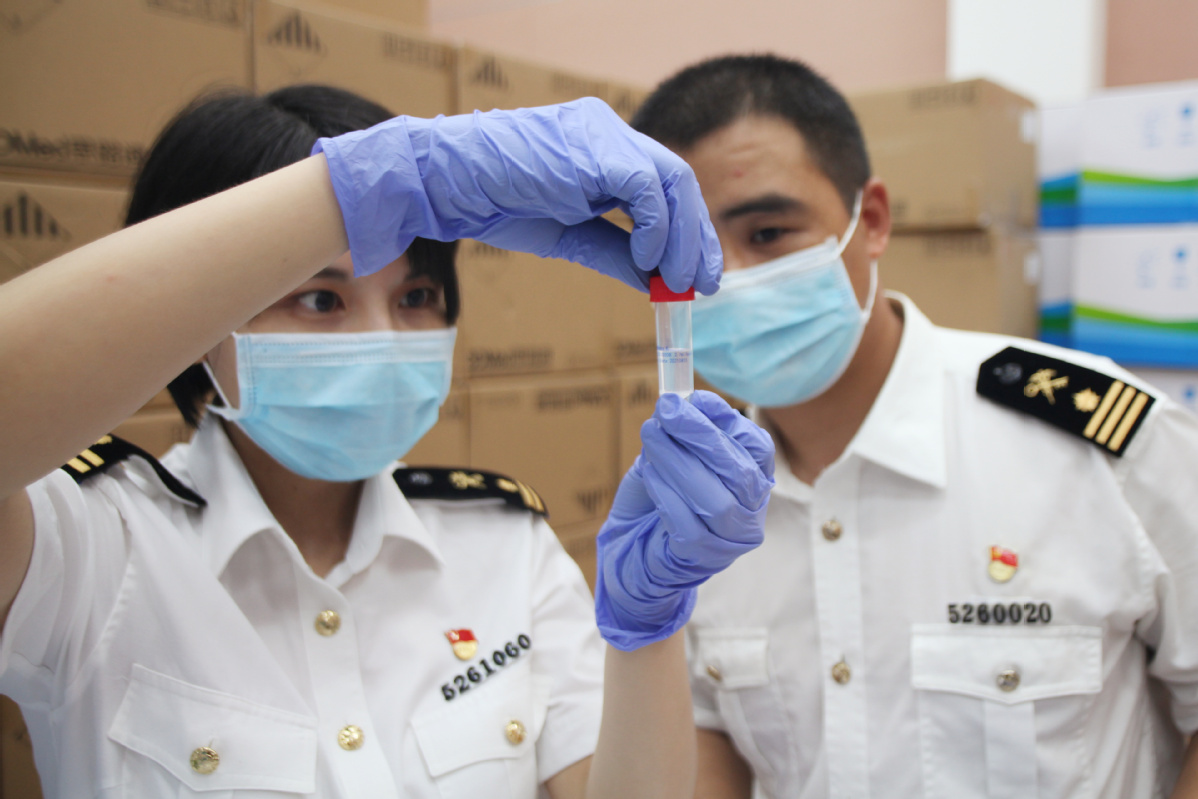
While tracing the source of a recent outbreak in Qingdao, Shandong province, scientists detected live samples of the virus on the packaging of imported frozen cod and confirmed contact with the packaging could cause infection.
Before that, the virus was also reportedly found on the outer packages of imported frozen seafood in Jilin province, though no subsequent infections were reported.
The technical guidance the national joint prevention and control mechanism under the State Council has just released is therefore a timely response to those findings.
The document, featuring detailed technical protocols for the registration and reporting of staff health conditions as well as the disinfection of the outer packages of cold chain products imported from high-risk regions, is meant to plug this loophole in the country's defense against imported infections.
With all potential sources of human-to-human transmission from overseas reportedly placed under "closed-circuit management" at all major ports of entry, the new guidance addresses the significant route of infection via imported goods.
The technical guidance, which covers not only cold chain foods and the corresponding supply chains, but also the people dealing with them, seems to have been carefully thought-out. It takes into consideration all possible vulnerable links and spells out specific prevention and control requirements. The chain of monitoring is even extended to restaurant kitchens where such food is processed.
The city of Beijing has added a meaningful aspect to the containment regime by introducing a platform for ordinary consumers to trace the source of cold chain foods.
Since a considerable proportion of such food will finally find its way to people's dinner tables, this is a worthy step to safeguard both food safety and public health.
Considering the concerns about cold chain foods that the recent findings have caused, thorough information sharing is necessary to boost consumer confidence.





