



Cold chain processing may help virus to survive









A cluster of COVID-19 cases in Dalian, Liaoning province, earlier this year was related to the cold chain in the seafood processing industry, Zhao Zuowei, director of the Dalian Health Commission, told a news conference in August.
Similar to new cases linked to the Xinfadi wholesale market in Beijing in June, the source of transmission in Dalian was tied to cold chain seafood products.
At the COVID-19 & Food Safety Global Summit on July 29, Chen Junshi, chief scientific adviser at the China National Center for Food Safety Risk Assessment, said media reports prompted consumer concern about buying, cooking and eating seafood, while positive test results from packaging of white shrimps from Ecuador added to people's concerns.
Sun Dawen, a member of the Academy of Europe, an organization dedicated to the advancement of scholarship, and a global authority on food engineering research and education, said so far there has been no evidence to show that seafood and aquatic products have become infected with the novel coronavirus.
However, epidemiological surveys of infected cases in Dalian and Beijing during the summer showed positive samples among fresh cold chain products in several food markets in the cities, he said.
"The cold chain can maintain the freshness of food and the virus. Once food contaminated with the coronavirus is in circulation, the low temperatures and high humidity of the cold chain will help to preserve the vitality of the virus," Sun said in August, adding that random inspections of imported food should be strengthened.
He said it is essential to strengthen the supervision and management of every process undergone by imported food in the cold chain. Sun suggested that for fresh goods, both the food and the packaging should undergo nucleic acid tests for the coronavirus.
Meanwhile, the exporting country is obliged to report to Chinese customs all processes undergone by the food before it entered China, Sun said.
"The related departments should establish a system to trace imported food so the source of infections caused by foodborne viruses can quickly be detected and controlled in a timely manner," he added.
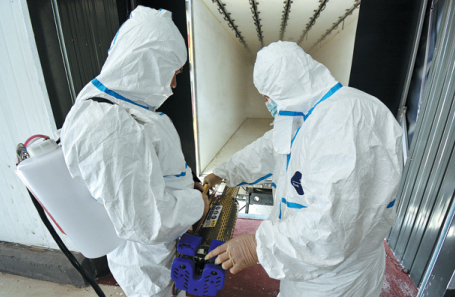
He stressed health and protective measures for food industry employees, in addition to professional disinfection of tools and equipment used in cold chain logistics.
He also suggested the formulation of an emergency plan for food safety and a focus on market management, waste disposal and quarantine of infected people after regional outbreaks.
The public should cultivate good food safety habits, such as remembering to separate raw food from cooked food to avoid secondary contamination, and not to eat uncooked items, Sun said.


Today's Top News
- Defense spokesman criticizes Japan PM's neomilitaristic ambitions
- 'Taiwan independence' undermining cross-Strait peace: spokesman
- AI schools bring innovation prowess
- Washington, Tehran trade fire in Hormuz
- Holiday consumption surges
- Search and rescue ops in Liuyang nearly over as death toll rises to 37





