


Plans focus on protection of Grand Canal
Government addresses management, restoration, cultural heritage and tourism









Stronger nationwide efforts will be made to better protect and display the cultural significance of the Grand Canal, officials vowed on Sunday at a news conference in Beijing hosted by the National Development and Reform Commission.
Ou Xiaoli, director of the commission's social development department, said four national plans dealing with the protection of cultural heritage, water system management, ecological restoration and the development of tourism had been co-drafted with ministries.
"A systematic plan taking care of and utilizing the canal is being formed," Ou said.
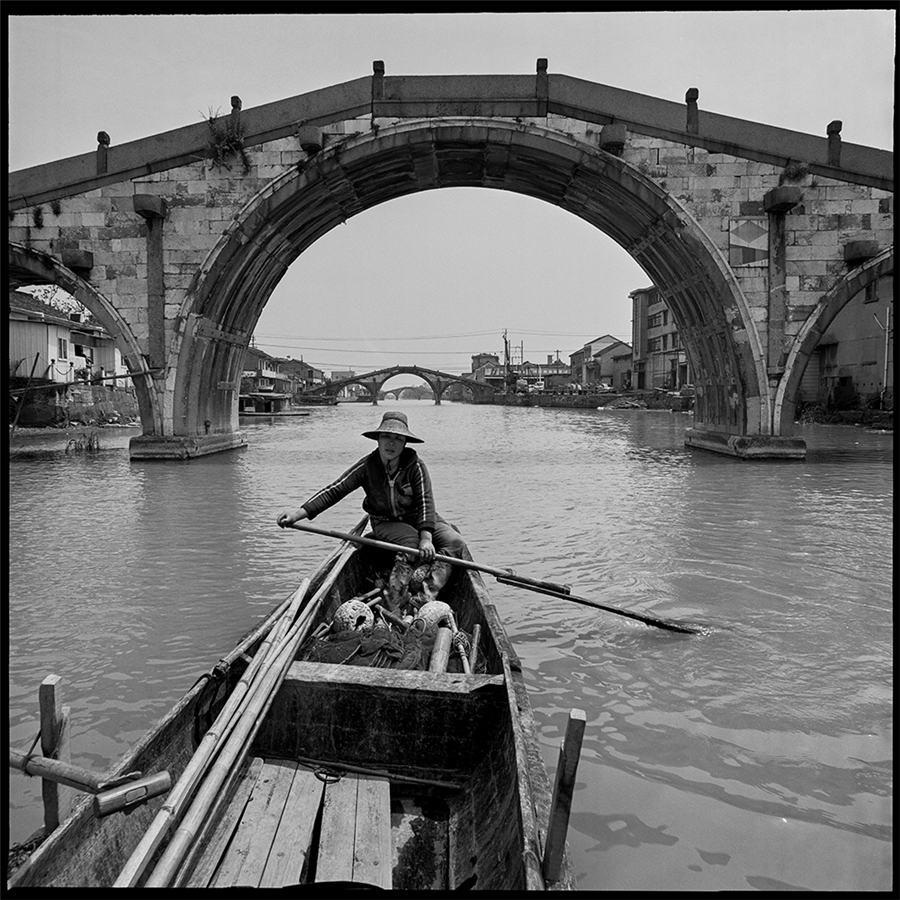
The Grand Canal, which runs nearly 3,200 kilometers from Beijing in the north to Zhejiang province in the south, was a transportation artery in ancient China. Its history dates back 2,500 years, with the Sui Dynasty (581-618) and Yuan Dynasty (1271-1368) witnessing two construction peaks. The canal connects several key rivers in China, including the Yangtze, Yellow and Huaihe rivers.
Some sections of the canal, comprising about a third of its total length, were given UNESCO World Heritage status six years ago.
Liu Dongshun, deputy director of river and lake management at the Ministry of Water Resources, told the news conference a key project would bring water back to dry parts of the canal. Some sections of the ancient Grand Canal to the north of the Yellow River currently hold no water.
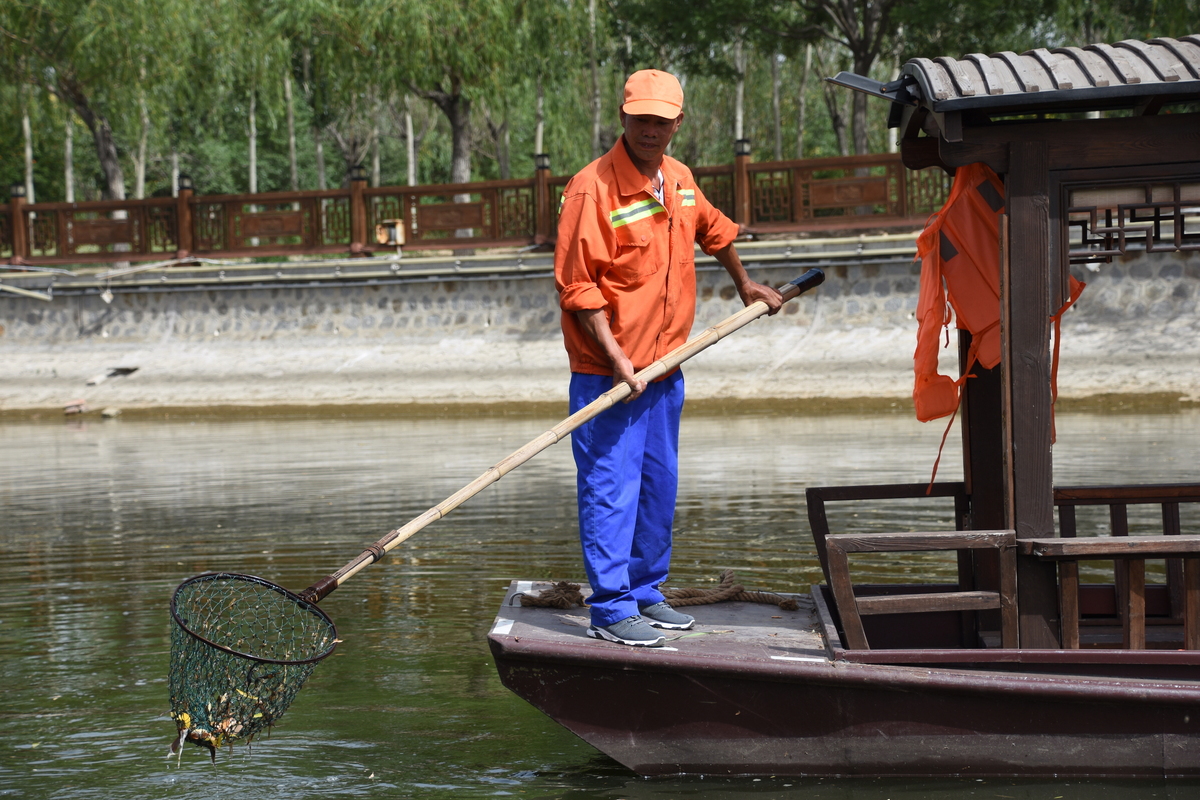
"It's important to make water flow throughout the canal if we want to inherit the culture it represents," Liu said.
He said water from the Yellow River would be ushered to dry sections, as would water from other sources via the South-to-North Water Diversion Project. Introduction of recycled urban wastewater and better protection of underwater resources could also help solve the problem.
Through ecological restoration and better management of canal infrastructure such as dams, the dry sections could become navigable, he said.
Xin Lujiang, deputy director of the protection department at the National Cultural Heritage Administration, said the conservation of heritage relevant to the Grand Canal was an integral part of its plan, as 1,606 national-level key cultural heritage sites can be found along the canal.
"The new plan demands the landscape on the banks be well protected, along with the canal itself," he said. "And more archaeological parks and thematic museums will help build up the nation's collective memory."
Protection of intangible cultural heritage such as traditional craftsmanship and folk music that reflect people's lifestyles along the canal is also a focus, he said. About 400 national-level intangible cultural heritages have been registered along the canal.