Fighting two pandemics hand in hand in Asia and the Pacific










Ending hunger and poverty amid COVID-19 impacts will require leveraging agricultural technology, innovation and partnerships
Global hunger has been on a regrettable rise in recent years, and despite Asia's economic clout, the continent – home to more than half of the world's undernourished – has not been spared. Now COVID-19 is leading to a slow-down of regional economic growth and further threatening food security.
Southern Asia is particularly vulnerable, with the number of chronically underfed people projected to rise by almost a third to 330 million by 2030. It is also the only subregion in the world, where more than half the children from the poorest fifth of society are stunted, a condition that prejudices their futures. But there are challenges all around: The Pacific Island States have the world's highest child wasting rates, and East Asia has the world's highest absolute costs for a healthy diet – one that goes beyond mere calorie counts to offer balanced nutrition. On top of that, Asia and the Pacific is the region where obesity and overweight, for children and adults, are growing faster than anywhere else.
We are facing two pandemics. COVID-19, which beyond its health toll is crushing livelihoods, and hunger, a scourge the international community pledged to eradicate by the end of this decade – the Sustainable Development Goal 2.
Tackling them will require new ideas and more robust political will. Past progress was sustained by the benign trickle-down effects of strong economies. This is not the case anymore.
The facts have changed, and so must our minds.
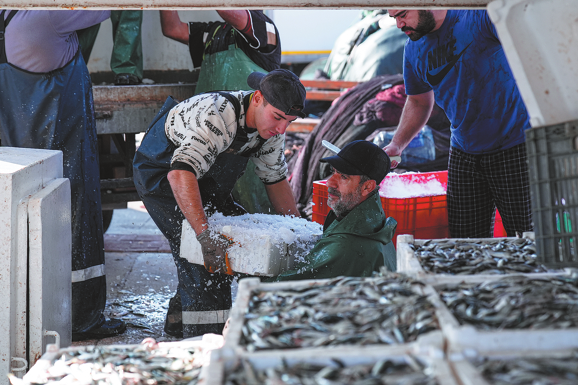
We need to find ways to increase resilience across our food systems by identifying new marketing channels (like e-commerce), increasing efficiency to reduce losses, improve the quality of products available and storage facilities, which are critical to flows of healthy foods and income to those who produce them. Inclusive access to finance to strengthen and expand rural supply chains is also crucial.
The Food and Agriculture Organization of the United Nations (FAO) has recently launched a new comprehensive COVID-19 Response and Recovery Programme to provide an agile and coordinated global response aimed at ensuring access to nutritious food for everyone by mobilizing all forms of resources and partnerships at country, regional and global level. In line with the UN agenda to "build back better", and in pursuit of the Sustainable Development Goals (SDGs), the new comprehensive COVID-19 Response and Recovery Programme aims to mitigate the immediate impacts of the pandemic while strengthening the longer-term resilience of food systems and livelihoods.
So we are making headway, but we must, as a priority, attend to the most urgent issues at the very source by enabling farmers to be more dynamic, entrepreneurial and competitive through continual innovation.
We need smallholder farmers to produce nutritious foods, without fear of crop failures, and we need to get those foods to the mouths of the hungry across the region and beyond. To do this, smallholders desperately need access to financial resources, technology and innovation. We also need to educate people on the importance of healthy diets, so that farmers will have a solid base of demand to whom they can market those foods.
The Asia-Pacific region is as dynamic as it is large. It has some of the best agricultural scientists, institutions and innovative ideas. From Australia, New Zealand and the Pacific to China, India, Japan, South Korea, Singapore and virtually every country in between, innovators are proving that everyone can benefit from new technologies and science.
Examples range from deploying drones to monitor flood and pest risks, smartphone apps that can identify plant diseases, advanced genetics that build on crop and livestock breeding, precision agriculture and aquaculture systems that conserve natural resources such as water, indoor farming and consumer tools for nutrition monitoring and smart purchasing.
There is no time to waste. Everyone needs to lend a hand: governments, academia, the private sector, UN agencies, civil society organizations, international financial institutions and the people who bring us the food we eat – the smallholders. And our hands need to be working in unison to overcome pandemics that by definition affect and involve everyone.
FAO has rolled out the Hand-in-Hand Initiative to tackle these collective challenges, and the FAO Regional Conference for Asia and the Pacific, which will be virtually hosted by Bhutan (1-4 September), is the perfect opportunity for forty-six Members and other partners to forge ways to expedite action and leverage resources.
By working together, learning together and contributing together, we can overcome both pandemics and transform the agri-food system.
The author is director-general of the Food and Agriculture Organization of the United Nations (FAO).