Emerging from the pandemic through tech innovation









How businesses can rebound from the unprecedented disruption of the coronavirus and prosper was the focus of a recent tech conference.
Chinese companies shared their experiences at one of the technology industry's fastest-growing conferences: Collision from Home. The event in Toronto last week drew thousands of companies, startups and investors due to the COVID-19 pandemic.
Wu Tian, executive director of the Baidu AI Group, said the company turned the crisis into opportunity by developing cutting-edge artificial intelligence for the healthcare field.
As China's largest search engine, Baidu is building capacity in public healthcare facilities at a grassroots level through the development of its Clinical Decision Support System, an AI software tool for diagnoses and treatment plans for primary healthcare providers.
"This tool is being designed to assist staff in what are known as tier one facilities," Wu told China Daily.
Wu said that with AI technology, Baidu's search engine has provided more services to users. For example, it has developed a multi-person temperature measurement system and a robot that answers questions about the pandemic.
"Behind the temperature measurement system is a combination of face-detection algorithms … and infrared thermal-imaging technology," said Wu. "The system has conducted detection over 27 million times at a railway station in Beijing by early April."
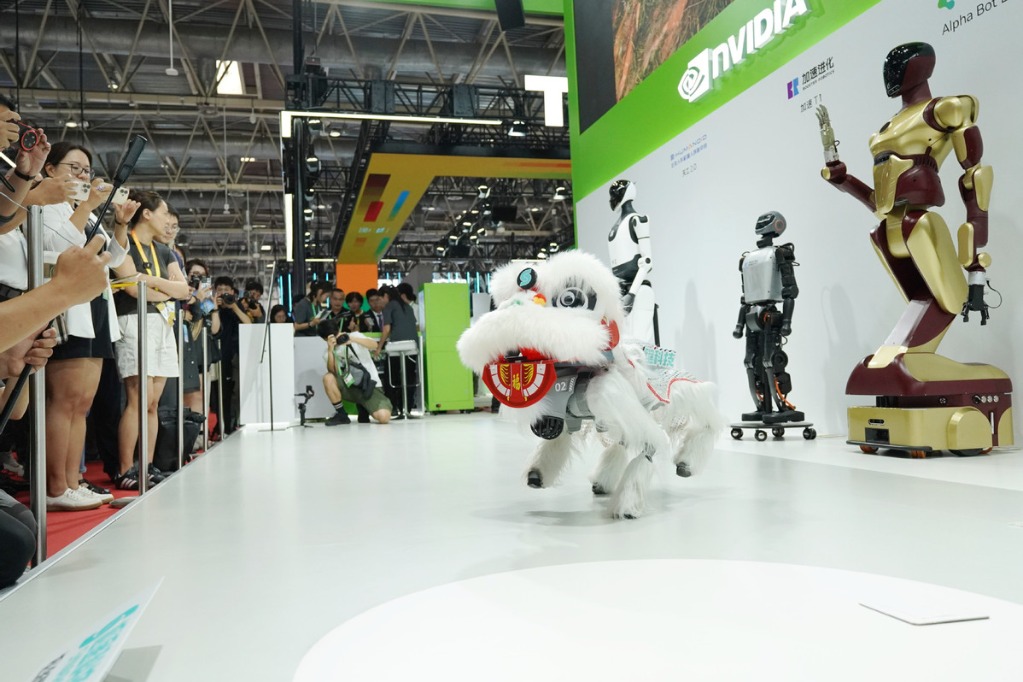
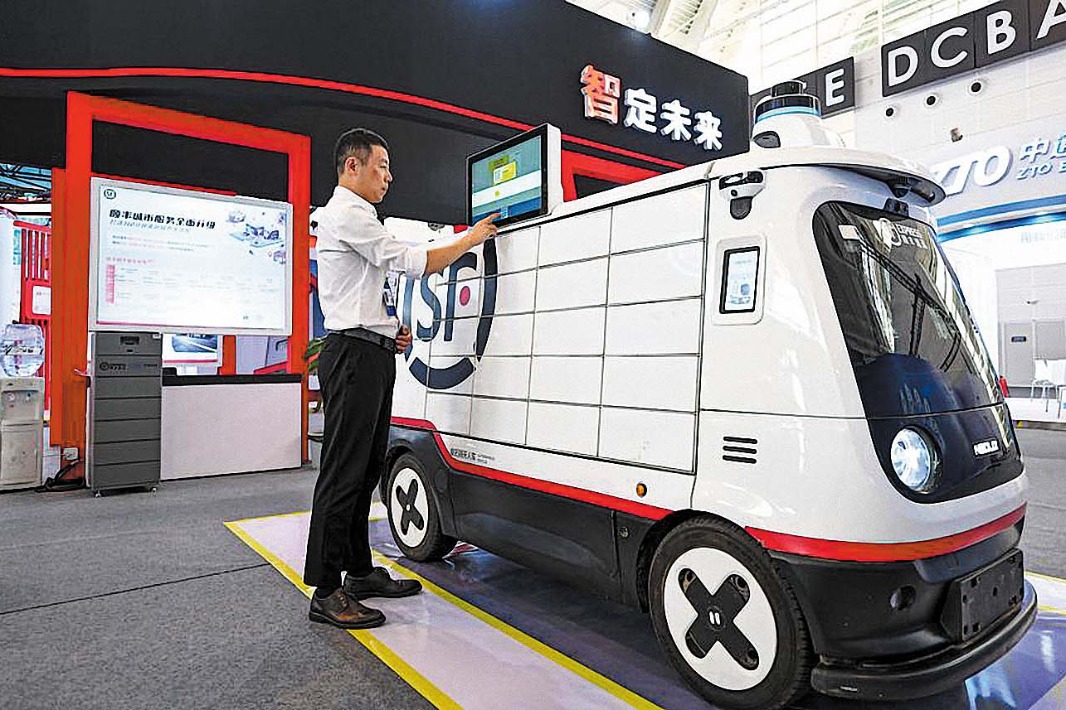
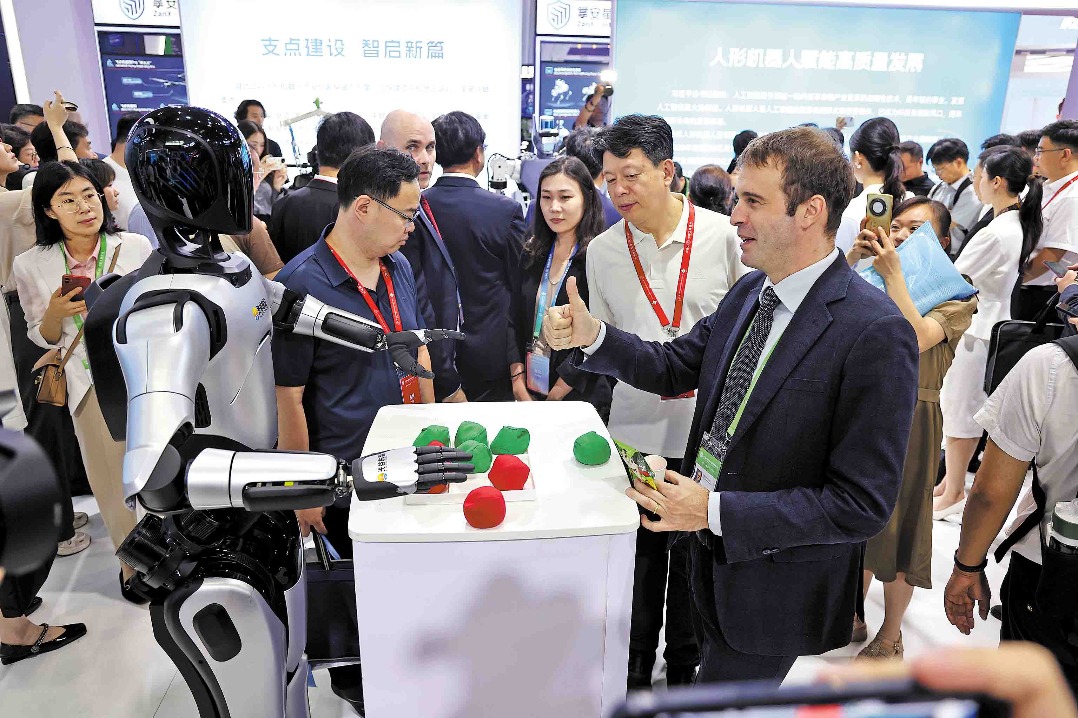
The current pandemic is accelerating the integration timeline for AI and robots in people's daily lives.
Michael Tam, chief brand officer at UBTECH Robotics, said that the virus has led people to consider more opportunities for using robots and keeping people healthier and safer.
"The hospital can use intelligent robots to keep doctors and nurses away from some very dangerous situations," said Tam. "Our solutions also help relieve the workload of front-line medical staff while reducing consumption of personal protective equipment. We hope more people and community can enjoy the facilities."
However, as China's VC-backed deals have dropped to a six-year low amid the COVID-19 crisis, small- and medium-sized technology companies need stable investment to survive.
"With the shutdown of business, there is a huge spike in digital demand for people working from home, and we see more software and AI companies have gained attention from investors during this period in China," said Wayne Shiong, partner at China Growth Capital, an early-stage tech venture capital firm based in Beijing.
According to Shiong, China is experiencing a shift from providing consumer-driven investment opportunities to enterprise-driven ones.
"The venture market is moving away from traffic-driven business to productivity-driven businesses, so we believe this pandemic is like a wake-up call for everyone," Shiong explained. "Everyone has to pay attention, online or offline, big or small; people will eventually go online."
Hannah Qiu, co-general manager and CEO of retail banking at OneConnect, a tech company and service platform for financial institutions in China, said that the industries are spending more on technology now to prepare for the next major disruption.
"We are investing huge amounts in ABCD, which A is AI, B is Block Chain, C is Cloud, and D is Data," Qiu told the conference.
"Since banks and insurance companies cannot talk to customers face-to-face, we are working hard to build new non-contact banking solutions (that enable) the staff to provide services and sell products to customers online," said Qiu. "The solution helped us generate a 30 percent increase in total revenue compared to last year in the first quarter."
Qiu said AI is changing the industry by helping reduce costs in banking operations, sales and marketing. For example, customer service had required a lot of human resources before, but now 80 percent is handled by AI virtual assistance.
"Another interesting thing is the regulators. We are seeing demand from the regulators not only in China but also other markets," she said.
With schools closed across the country due to COVID-19, China has invested $6 billion in AI and tech support for education, with more than 278 million students shifted to online learning.
Squirrel AI Learning, one of the largest AI education companies in China, which has grown rapidly amid the pandemic, provided a window into how China's experiments could shape the rest of the world.
"The AI system is different from traditional online learning; we have enough data for the teachers to collect the information of students and have real-time monitoring, for example, who is listening carefully and who has left their computer," said Li Haoyang, founder of Squirrel.
"When we change learning from offline to online, and we change the traditional online learning method to an AI-based data-learning style, we have witnessed the change of education history," Li said.