



US court action could cast long shadow on ties









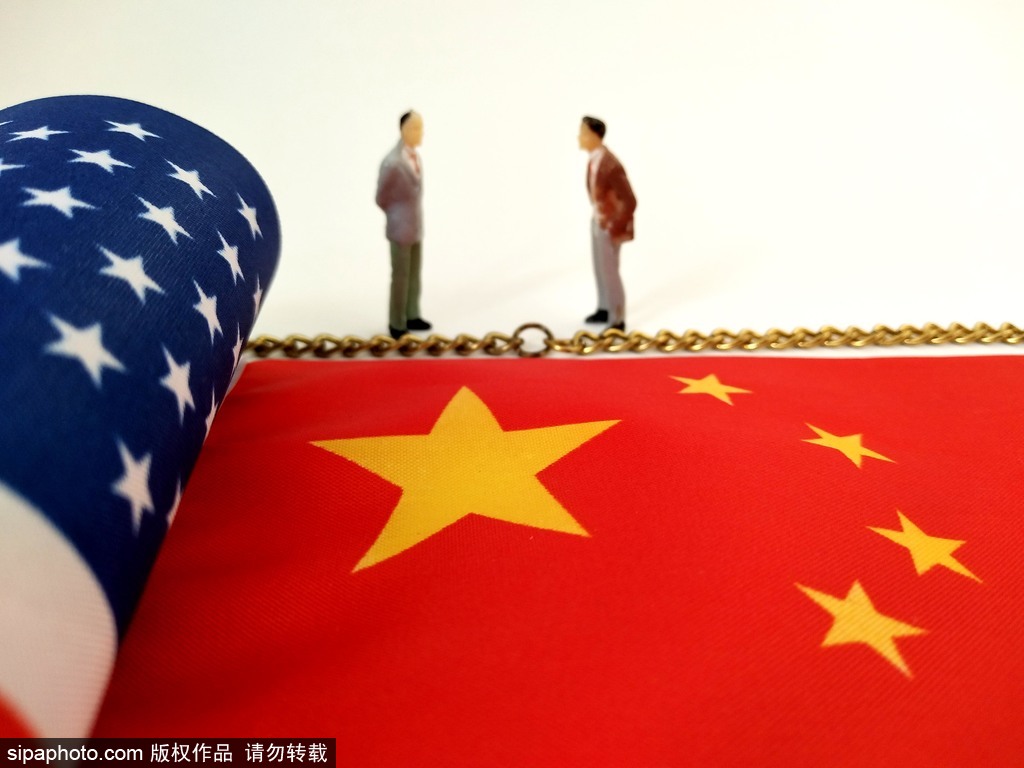
Ever since the novel coronavirus outbreak triggered a state of emergency in the United States, several American citizens, companies and state attorneys general have filed more than a dozen civil lawsuits against the Chinese government, asking it to pay "compensation" for the damage the pandemic has caused.
Such compensation claims, if encouraged, will have disastrous consequences for Sino-US relations.
The US Foreign Sovereign Immunity Act, which serves as the only legal basis for US courts to determine whether a foreign country enjoys immunity, provides seven exceptions. However, the exceptions cited by the plaintiffs in their lawsuits against China-such as business conduct, tort and terror financing-do not hold water.
Any action by US courts against China would violate the principles of state sovereignty in international law. The courts of one state cannot hear a case in which another state or its government is accused, unless the latter waives its immunity from jurisdiction.
Although the lawsuits filed in the US against China have no legal basis, either from the international or the US domestic law perspective, why do they continue to stage such farces? Multiple factors are to blame, such as the failure of the US administration to combat the pandemic, Sino-US trade frictions, the US presidential election, the US administration's pursuit of the "America first" strategy and China being viewed as a strategic competitor.
Different outcomes of the lawsuits filed in the US against China may impact Sino-US ties and international relations differently. If the US courts determine that China enjoys judicial immunity and reject the plaintiffs' claims, then it could help the two countries move forward building an inclusive and competitive relationship.
However, if the US Congress were to amend the Foreign Sovereign Immunity Act, clearing the way for US courts to exercise jurisdiction over the lawsuits against China, it would constitute a flagrant violation of the principle of state sovereignty. In that case, China has the right to take necessary legislative countermeasures, which will adversely affect Sino-US relations and, by extension, the improvement of the global governance system, given that any of such legislation poses a potential threat to other sovereign states.
If US courts formally start these abusive proceedings, they might give rulings against China by default, triggering judicial countermeasures from China leading to disastrous consequences for Sino-US relations. Such a scenario may lead to "decoupling" or further deterioration of bilateral ties, fundamentally undermining the logic and operating environment of international law, and dealing a deadly blow to rules-based globalization.
-XIAO YONGPING, DIRECTOR OF INSTITUTE OF INTERNATIONAL LAW OF WUHAN UNIVERSITY





