



The perils of a massive stimulus package









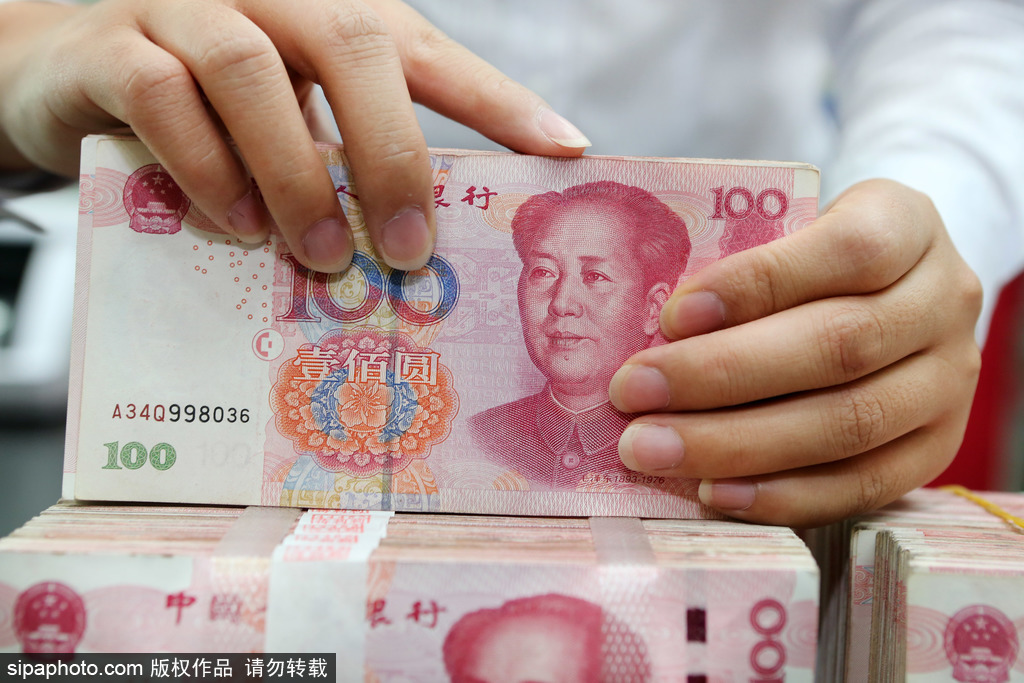
China's consumer price index rose 3.3 percent year-on-year in April, significantly lower than 4.3 percent in March and also lower than a 3.7 percent market expectation. At the same time, the producer price index in April fell by 3.1 percent year-on-year and 1.3 percent month-on-month, suggesting a deepening of industrial product deflation.
Not surprisingly, there are growing calls for a massive stimulus package-like the one in 2008-to reverse the economic downturn. However, there are also worries that a massive stimulus program will worsen China's economic structures and disrupt the reform process.
Countries always adopt countercyclical measures to deal with recession, but the scope and objectives of policies always vary. The measures adopted after the subprime mortgage crisis in the United States are a case in point. The US mainly relied on the Federal Reserve to inject a large amount of liquidity to stabilize the capital market and avoid a liquidity crisis or credit freeze. China, however, launched a large-scale fixed-asset investment spree into the real economy to absorb excess capacity and stabilize employment and tax revenues.
These two approaches have had different effects.
The Fed's massive and sustained quantitative easing policy injected a large amount of cheap capital into securities markets around the world. However, as the capital has not flowed into the infrastructure sector, social demands remain weak and there is no price rise. This way, interest rates in the US can be kept low for a long time. In China, a large-scale fixed-asset investment generated massive demands, leading to a sharp rise in the prices of upstream commodities and factors due to the shortage of supply. As a result, asset prices increased sharply, impacting the manufacturing sector.
The US' fiscal deficit this year is estimated to rise to 19.2 percent of GDP-the highest since 1946-or even 24.1 percent if another $1 trillion fiscal stimulus is considered. The Fed has also aggressively expanded its balance sheet. Instead of relying primarily on monetary policy, the massive fiscal policy this time could boost investment and increase inflation.
That's because the US government is reining in monopolistic tech giants, while using economic and political means to promote the return of supply chains to the US, which will spur investment in the real sector and fuel inflation.
If China continues to invest heavily in infrastructure, it could raise the cost of running the economy and hurt manufacturing. At the same time, China's manufacturing exports now encounter a sharp contraction in external demand and may face the challenge of capacity transfer, which will deal it a bigger blow.
After the epidemic is contained, some countries might want to pull out of the international division of labor and go for manufacturing products locally. China should focus on boosting domestic demand and shielding its manufacturing sector from another massive stimulus shock.





