


How women won the war of the wards










Warrior women
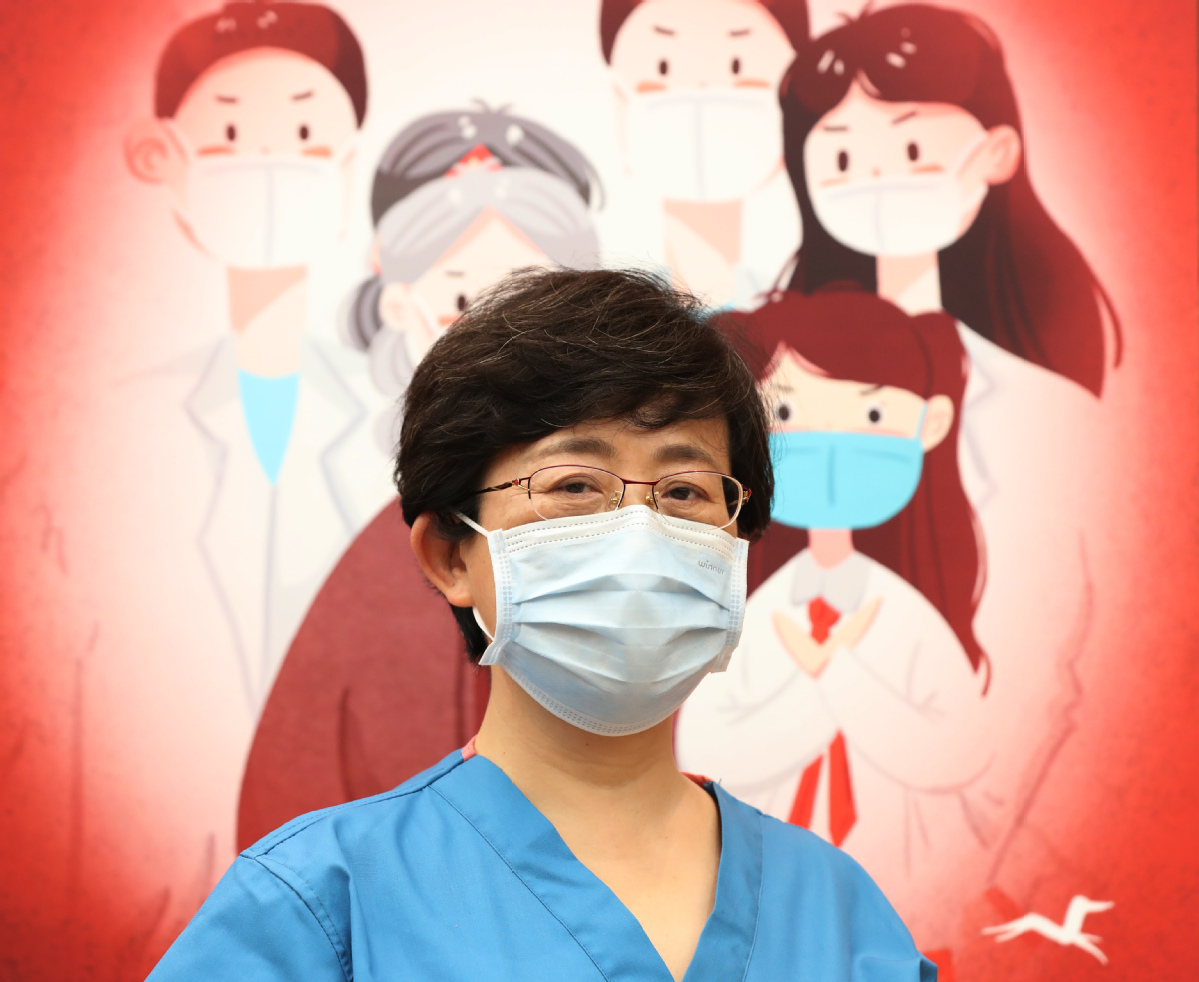
Qiao and her colleagues were among tens of thousands of women who went to Wuhan to battle the virus when very little was known about the pathogen. Official figures show that of 42,600 medical workers from across the nation who went to Wuhan, the Chinese city hit hardest by the virus, two-thirds were women.
Of the 28,600 nurses who came from outside Wuhan, 25,300 were women, according to Wu Xinjuan, director-general of the Chinese Nursing Association.
Wu, head of an aid team deployed to Wuhan by Beijing Union Medical College Hospital, said women were the major force on the front line, demonstrating professional skills and patience in dealing with patients who needed close attention.
Nurses also offered psychological comfort to infected patients isolated from family members, she told a conference in Beijing held by the All-China Women's Federation in the run up to International Nurses Day today.
A shortage of protective gear also forced health workers to perform longer shifts, intubating patients, removing virus-laden sputum and cleaning bedridden patients.
At the beginning of the battle against the virus, the minimum shift for workers was eight hours, Qiao said. Only recently, as the outbreak was brought under control, has the minimum shift been reduced to six hours. For some workers, the shifts are now as short as four hours as the number of patients in critical condition has fallen.
Despite the harsh working conditions, Qiao and her colleagues performed miracles. Of the 405 mostly critically ill patients in the care of Peking University Third Hospital health workers, more than 80 percent recovered.
None of the 406 team members, who were sent to Wuhan from Jan 26, was infected with coronavirus.
Drawing on her expertise in reproductive health, Qiao also drafted protocols on handling pregnant patients and infants during the outbreak. Pregnant women were among those who could not put off hospital visits, despite the risk of infection.
Protocols were already in place for other vulnerable groups such as seniors and children, but there were no guidelines for obstetricians to follow.
The protocols Qiao developed, such as suggesting pregnant patients use medication with fewer side affects on the fetus, were later promoted nationwide in the seventh version of the COVID-19 treatment plans.





