Online platforms resurrect retail fortunes









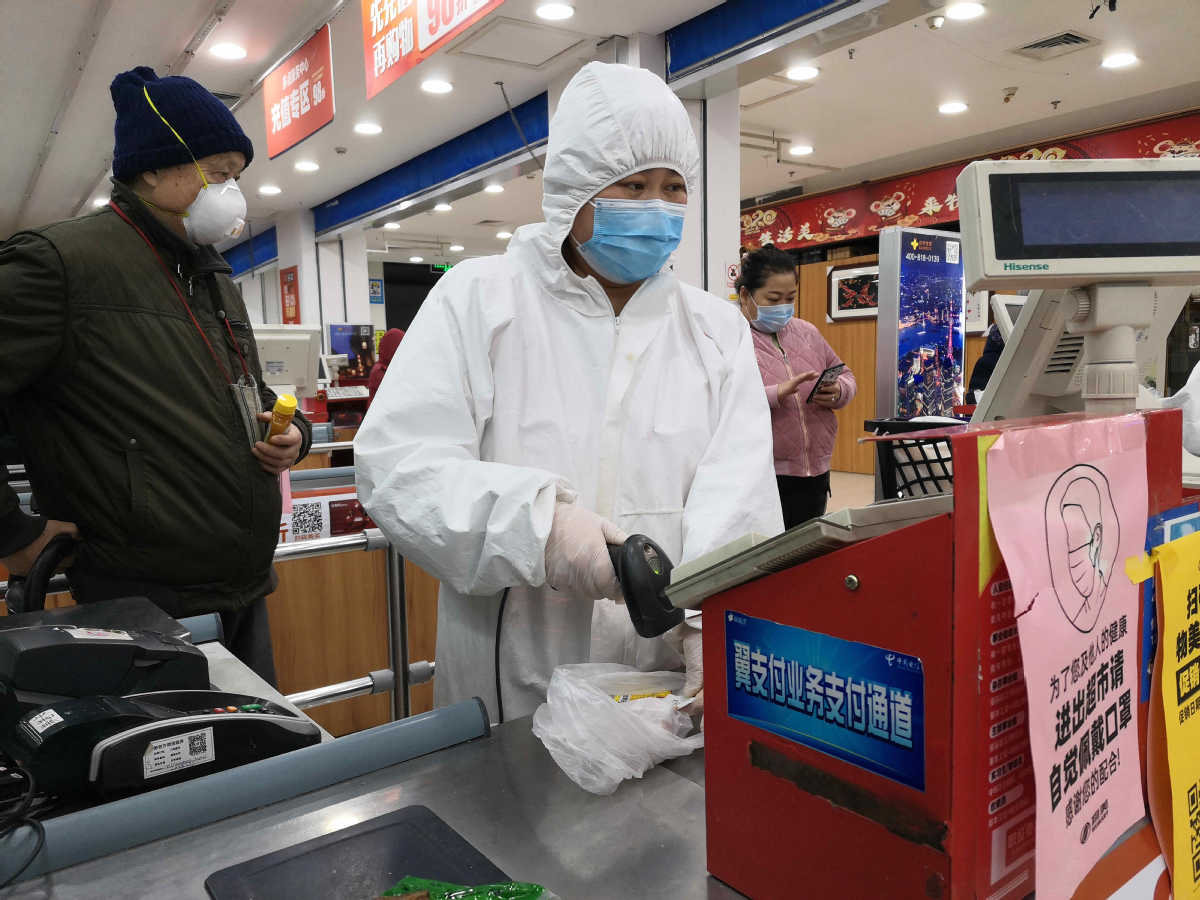
Supermarket chain Yonghui maintained a staggering growth of 9.8 percent in the first quarter, driven by its equity in fresh foods supplies and recent expansion to smaller "mini" formats to build advantage in proximity.
At the same time, local giants such as Wumart and Bubugao continued to grow faster than the market average, thanks to their well-managed supply capabilities and membership building as a result of regional focus.
Regional retailers are also rapidly adopting livestream-based platforms to attract shoppers while more consumers started turning to interactive shopping.
The Kantar report said that the total spend on fast-moving consumer goods recorded a drop of 6.7 percent in the latest quarter, compared with the same period in 2019.
According to the latest official data, retail sales of consumer goods declined by 19 percent on a yearly basis during the first quarter of this year. Sales in the food category declined by 7.7 percent year-on-year, with the confectionary and beverage sectors seeing substantial losses during the Lunar New Year and the subsequent lockdown period.
Against the backdrop of a declining FMCG market, the household products sector bucked the trend with a growth of 7.4 percent. The overall FMCG market started recovering since March 13 as new infections started subsiding.
The report found that younger consumers, who were leading the market growth in the past years, as well as consumers in the western region were more resilient during this period. Further recovery is anticipated, though the pattern of recovery will vary on a sectoral basis.
For the three-month period that ended on March 20, 62.6 percent of the urban households in China bought FMCG products online, up by 8.2 percentage points versus the same period last year. Consumption potential in lower tier cities drove the growth of e-commerce, which saw a 23.3 percent growth in value terms due to higher purchase frequency.
Meanwhile, as the demand for convenience and instant gratification surged, online-to-offline players including retailers' own delivery platforms like JD Daojia and Ele.me saw rapid growth in the first quarter.
Nearly 35 percent of urban families had made food purchases at least once via O2O platforms during the past three months. For example, at least 5,000 sets of ready-to-eat food products, jointly rolled out by Wumart and Dmall, were sold on the first day they went online.
wangzhuoqiong@chinadaily.com.cn