Employment market could seesaw during pandemic
Migrant workers face greater challenge in finding jobs










Migrant workers face greater challenge in finding jobs
The job market could experience fluctuations this year due to the COVID-19 pandemic, making it even harder for vulnerable groups such as migrant workers to find work.
These workers have already been hit hard by the revolution in information technology.
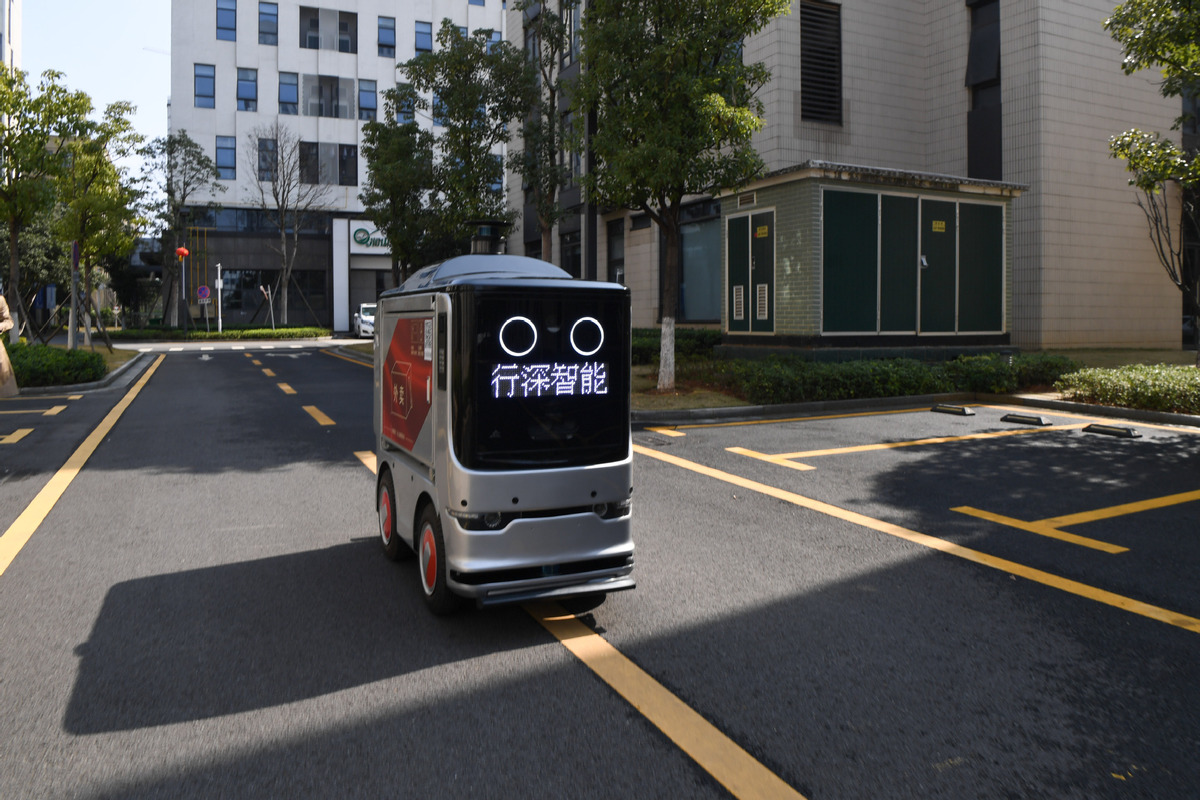
In previous years, the domestic job market has been greatly influenced by the creation and application of robots and artificial intelligence, used mainly for efficiency, skills and knowledge, rather than physical strength.
According to a report by the World Economic Forum in 2018, machines were used for 29 percent of the manual work that year, with the proportion predicted to rise to 42 percent by 2022.
Demand among companies for automated production reportedly increased earlier this year as the viral outbreak affected the movement of large numbers of people, the majority of them migrant workers. Companies mainly relying on machinery considered themselves fortunate.
Ye Song, director of the production department at Jinyuming Food Co in Huangshan city, Anhui province, which produces and exports tea, said, "We used to employ 120 people to pack tea, but this number fell to around 40 with the introduction of a packaging machine in 2016."
He said the city has been categorized as an area with a low risk of infection, and with the workshop being in an enclosed area, it is much easier to manage 40 people during the outbreak, rather than 120.
"The machines also mean better production quality and greater efficiency. This is cost-effective in the long term," Ye said.
He added that one worker can pack 144 kilograms of tea a day, while an automated production line can handle 5 metric tons of tea daily, with just seven workers manning the line. "After we started using machines, our costs were reduced by 400 yuan ($57) per ton," Ye said.
The company first considered introducing an automated packing line when it was finding it difficult to recruit enough younger workers, he added.
"Most of our workers used to be in their 50s, and they found it hard to find jobs outside their hometown, especially the women," he said.
"Working conditions at factories are basic, making such employment less attractive to a younger labor force. As a result, we had to reduce our dependence on manual workers.