Risk of cross-infection calls for cooperation









Policies of governments around the world have been changing quickly to deal with the COVID-19 pandemic. As the epicenter of the outbreak has moved to Europe and the United States, there is a greater need for positive cooperation.
Responses of China, member countries of the Association of Southeast Asian Nations, and others in Asia are noteworthy.
China's handling of the outbreak has been bearing fruit, with new infection rates slowing. China has also been sharing lessons and providing assistance.
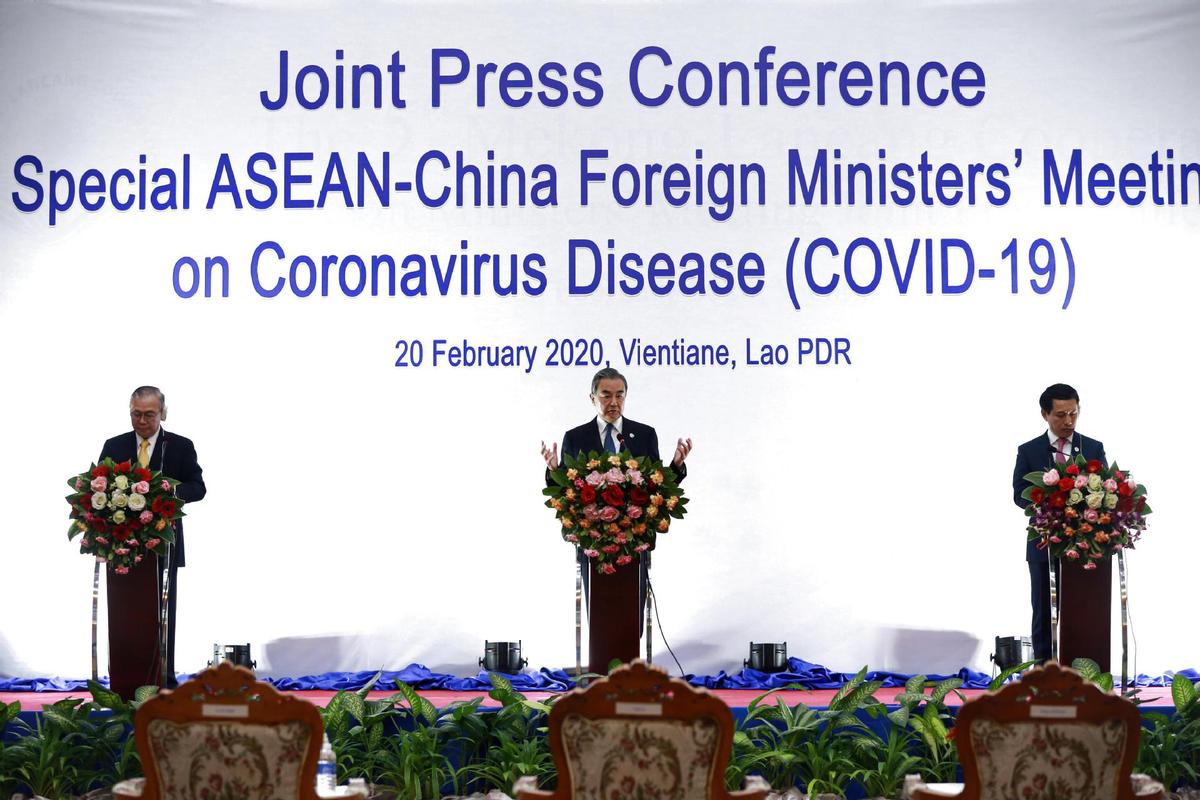
When the outbreak started, ASEAN countries quickly acted to support China. Malaysia, Singapore and Vietnam each donated medical supplies and equipment. Ministers from ASEAN and China met on Feb 20 to express solidarity and call for cooperation.
But that was early on in the crisis. Since then, many countries are now finally on alert. There is a lack of capacity and experience in dealing with this pandemic.
As the crisis is better controlled in China and the outbreak intensifies in ASEAN member states, help should flow across borders. While each government will prioritize its own citizens, there is good reason for regional cooperation.
Even if a country can control the problem within its borders, there can be infections coming in from abroad.
Look at the changing situation in China. It has been seeing close to zero new domestic cases and instead has to grapple with infections imported from other countries. Hub cities like Singapore and Hong Kong are also seeing spikes from imported cases.
The risk of cross-infection calls for cooperation across countries. The first priority must be for each government to better assess the scale of the outbreak within its borders. While reporting is now improving, many governments are still behind and face a shortage of test kits. More should be requested and provided.
China has sent assistance not only to Italy and European friends but to Asian neighbors-the Republic of Korea, Japan, the Philippines and Indonesia. Within ASEAN, Singapore has sent test kits to Myanmar and the Philippines. This should increase.
Donations of masks, especially to front-line medical staff and the most vulnerable sections of society, should also be provided.
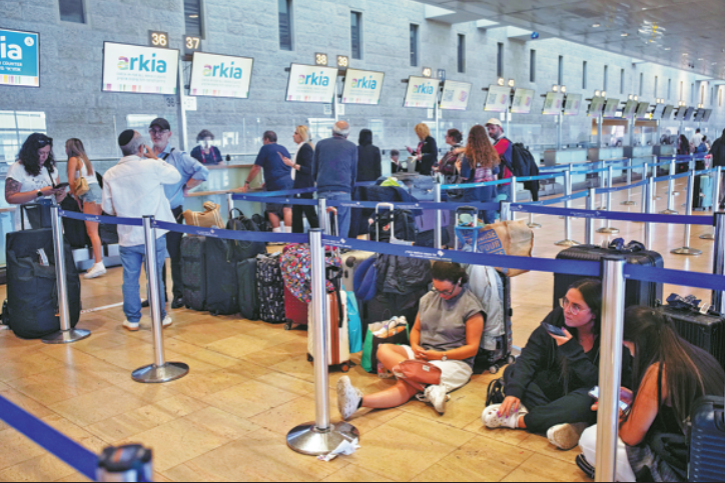
Another priority centers on the movement of people. Land crossings in the ASEAN region and on borders with China will be especially challenging, given the volume and long borders. As governments tighten the cross-border movement of people, consultation and information about controls are needed.
Cross-learning and assistance would be a further step in cooperation. China's efforts to contain the problem in Wuhan, Hubei province, which had been the epicenter of the outbreak on the Chinese mainland, have been lauded. Singapore's efforts, too, have been acknowledged by some as a "gold standard".
There are, of course, limits to replicating the approaches taken by one country in another, given differences in size, administrative capacity and health systems. But, to share lessons, governments must move beyond sensitivities to a more candid dialogue.
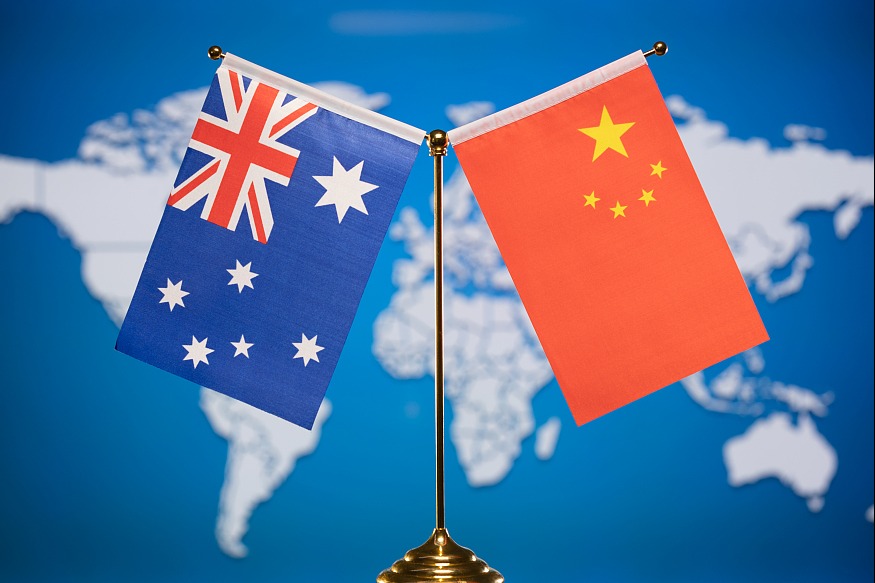
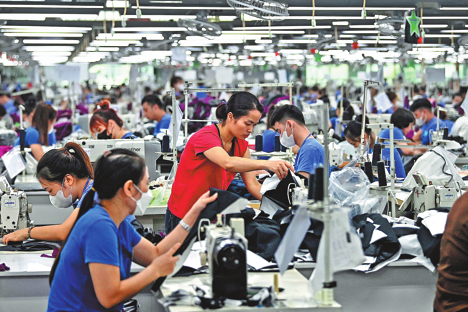
Another key interdependence is economic, and efforts must be made to prevent the pandemic from triggering a deep recession. China is known as both a manufacturer and major market globally, but it is also true that trade between China and ASEAN is larger than that with the US.
Supply chains run between neighbors in East Asia and into global markets. China and ASEAN can help each other to keep the global supply chains working, and to overcome border restrictions and the cancellation of most commercial flights.
ASEAN's senior health officials have already begun videoconferencing with counterparts in China, Japan and the Republic of Korea (ASEAN Plus Three). Their coordination will be key to improving the regional health policy responses.
They set the right example for trade and economic policymakers to follow. Dialogue must begin, via electronic means, on best measures to keep trade flowing and to avoid the worst economic harm.
All of these countries have similar concerns on both health and economic issues. Working together, ASEAN Plus Three can better influence the Asia-Pacific Economic Cooperation forum and G20, and offer an example of collective leadership to the world.
Simon Tay is chairman and Jessica Wau is assistant director (ASEAN) at the Singapore Institute of International Affairs. The views do not necessarily reflect those of China Daily.