Japan one step closer to controversial plan to dispatch SDF to Middle East









TOKYO -- Japan took one step closer on Tuesday towards realizing a contentious plan to deploy its Self-Defense Forces (SDF) to the Middle East amid tensions in the region, despite public opposition and post-war military constraints restricting the nation's military activities constitutionally.
The ruling Liberal Democratic Party's (LDP) coalition Komeito ally, who has always been highly tentative about issues pertaining to the constitution and its amendment to loosen the shackles on the SDF as eyed by the LDP and its leader Prime Minister Shinzo Abe, green-lit a draft proposal for the SDF to be dispatched to the Middle East.
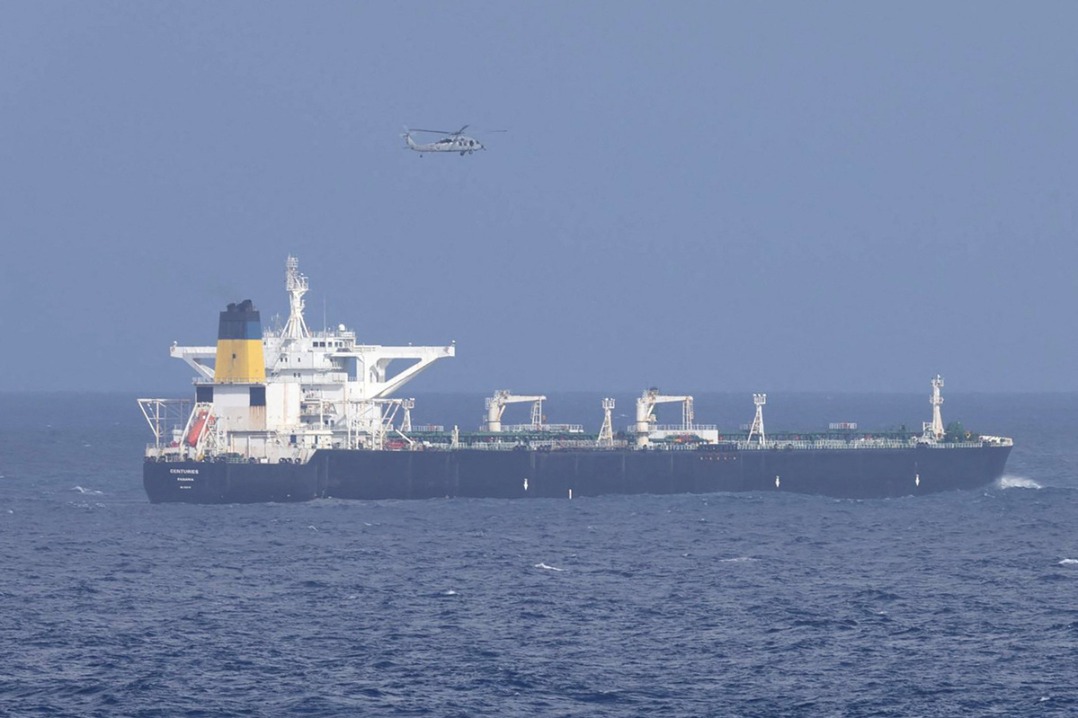
The planned deployment approved by Komeito on Tuesday is to purportedly conduct information-gathering operations and others related to enhancing the safety of commercial shipping in the region.
The plan, already backed by the ruling LDP, proposes that a helicopter-carrying destroyer and a P-3C patrol plane be sent to the region along with around 250 troops, who may be based in or around the Gulf of Oman, or the Bab el-Mandeb Strait.
The potential deployment, if realized, would be a distinct U-turn from Japan saying earlier in the year it had absolutely no plans to deploy its SDF to the region despite the current tensions, and a very thorny one owing to the nation's war-renouncing constitution, which heavily restricts the activities of the SDF and specifically prohibits Japan from engaging in acts of war or maintaining armed forces with war potential.
The proposed dispatch of the SDF is likely to be approved by the Cabinet next week, and Japan earlier this month informed Iran that it is considering the contentious move.
Tokyo has said that it is in close coordination with Tehran amid ongoing tensions in the Middle East following the United States pulling out of a 2015 international nuclear accord and slapping fresh sanctions on Iran.
Among other incidents, in June a Japanese-owned tanker was attacked near the Strait of Hormuz, a vital global shipping artery.
In July, however, Japan said unequivocally that it had no plans to deploy members of the SDF to the Middle East, as there had been a lull in attacks on commercial vessels near the Strait of Hormuz.
Under the new plan, the SDF could now be deployed to the region for around one year, with the duration being extended if approved by the Cabinet.
Japan has decided to conduct its information-gathering and security operations independent of a US-led coalition to ensure maritime security in the Strait of Hormuz, saying that the SDF will stay away from the strait near Iran in a bid to maintain its friendly ties with Tehran.
The strait is a key gateway for oil from the Middle East to reach resource-poor Japan and prior to announcing its flip-flop in considering to deploy its forces, Tokyo had been ardently urging Tehran to abide by commitments it made under the 2015 nuclear agreement with major world powers and not take further steps that could potentially damage the accord.
Following US President Donald Trump pulling the United States out of the nuclear accord inked in 2015 between Iran and six major powers and restoring sanctions on Iran, Tehran said it planned to keep more enriched uranium than is permitted under the pact.
Tensions, thereafter, have risen in the Middle East, with the United States sending carrier forces, B-52 bombers, as well as armed troops to the Gulf.
As for Japan involving itself directly in the situation, Tehran has told Tokyo that it does not believe the presence of any foreign forces in the region would help boost stability, security or peace.
It has maintained that US policies are the root cause of escalating tensions in the Middle East and been critical of the US for imposing "maximum pressure" on Tehran and for withdrawing from the 2015 nuclear deal.
Japan is the world's fourth-largest oil importer and relies heavily on the Middle East for the majority of its crude oil, but the potential dispatch of the SDF has drawn high levels of public disapproval, with more than 50 percent polled in a recent nationwide survey on the issue against the plan, with only 33.7 percent in support of it.