Digging deeper










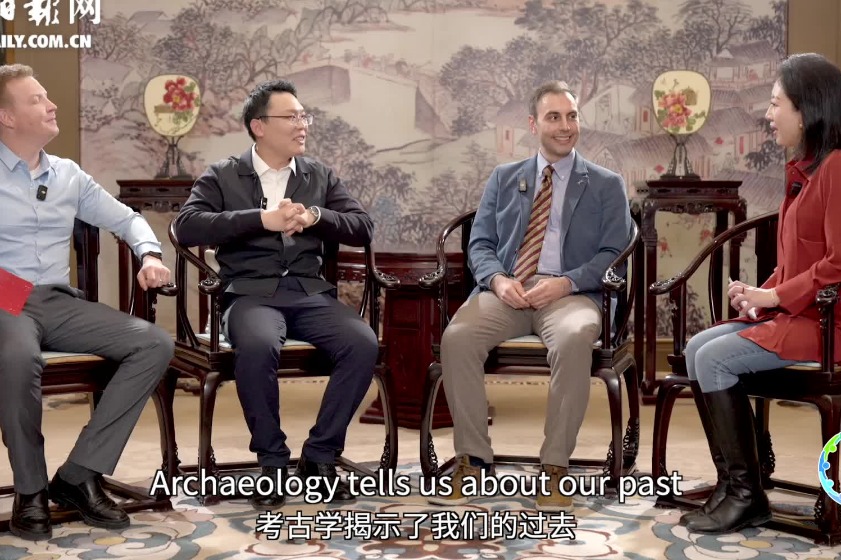
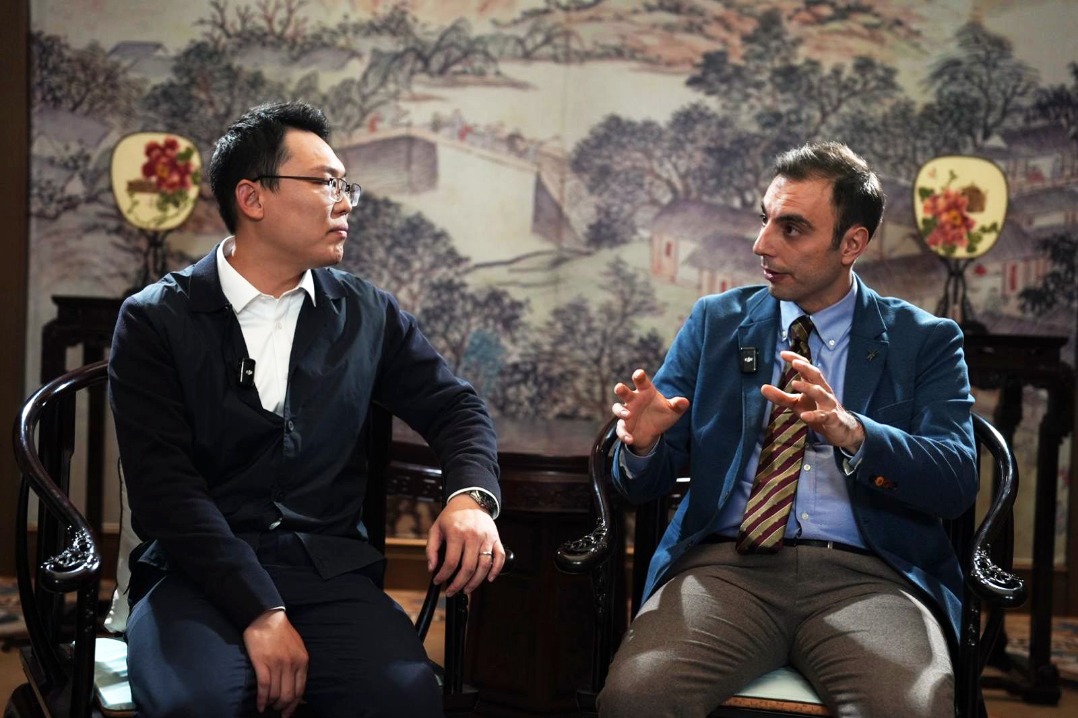
Fikri Kulakoglu from Ankara University considers it to be the first international long-distance trade center in Anatolia, known historically as Karum of Kanesh.
According to Kulakoglu, about 23,000 cuneiform tablets featuring Old Assyrian and dating back to about the 18th century BC offer exceptional insights into a sophisticated market economy, representing one of the best-documented cases of ancient trade.
"Recent excavations also reveal a rich collection of stamps and seal impressions, which present concrete evidence of an international trading system," he explains.
Additionally, ceramics and jewelry unearthed from this Bronze Age site indicate Kultepe had a wide distribution network, stretching across Mesopotamia to the Aegean Sea.
"Perhaps, they show the mutual exchange of gifts between kings and elites, or perhaps a dowry," Kulakoglu says.
Speaking of the Aegean Sea, recent excavations led by Colin Renfrew, a globally renowned archaeologist from the University of Cambridge, have been undertaken on the islets of Keros and Dhaskalio in the Greek archipelago of Cyclades, apparently revealing a "foreshadowing urbanization and globalization". The work was also recognized with a Field Archaeology Award at the Shanghai event.
Early Bronze Age sanctuaries were discovered along with infrastructure, including drainage networks, monumental constructions and metallurgy workshops, dating back to around 2500 BC. Renfrew thinks these show major changes in social relations as pilgrims arrived from the Greek mainland, which is 200 kilometers away.
"Analysis of this new data will make a great contribution to understanding the role of ritual practices in catalyzing wider social change," he says.
Wang Wei, secretary general of the Shanghai Archaeology Forum and president of the Chinese Society of Archaeology, sees a trend among the recent award winners-stronger emphases on exchanges among different regions.
"Exchanges of precious objects and technologies indicate that globalization came into being much earlier than people usually think," Wang says. "It also proves that any civilization that secludes itself is destined to develop slowly. Prosperity only comes through mutual learning.
"Archaeologists now tend to offer historical references for the development of modern society. Countries in today's world can therefore be inspired to find the answers to cultural differences."