



Reforms solution to structural problems









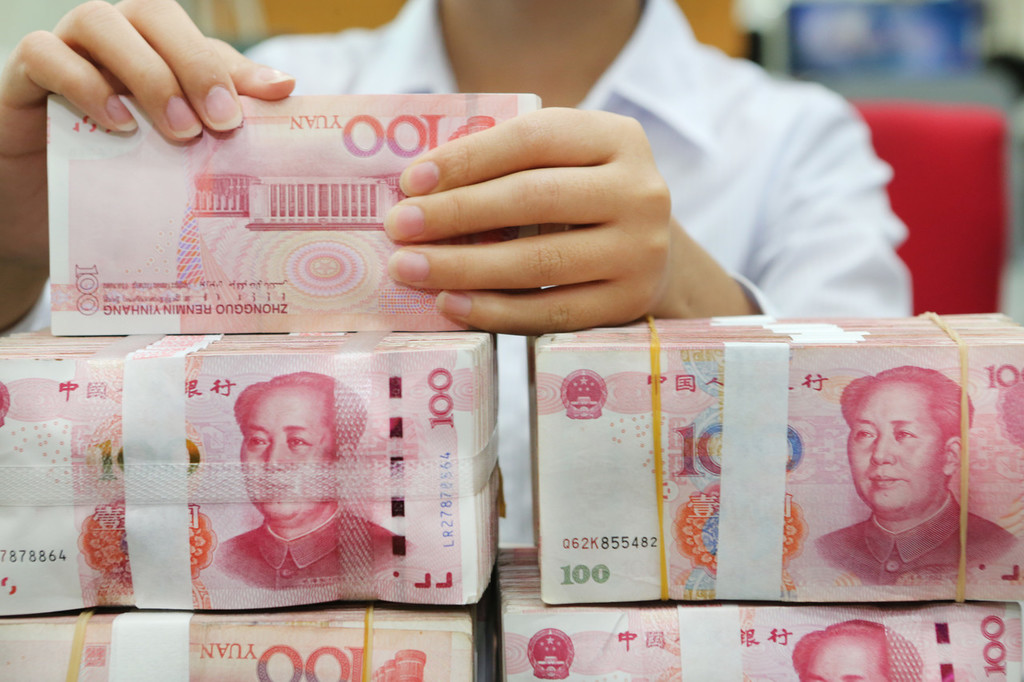
Editor's Note: Data released by the National Bureau of Statistics show that China's consumer price index rose 4.5 percent year-on-year in November. 21st Century Business Herald comments:
The 4.5 percent CPI growth is at a very high level, mainly driven by the rise in pork prices, which has been triggered by the sharp reduction in supply, which cannot be eliminated in the short term due to the growth cycle of swine.
Compared with a big CPI increase, however, the November producer price index fell 1.4 percent year-on-year, showing increased economic downturn pressures, which has prompted some to argue that the authorities should take stimulation measures to ensure economic growth does not slip below 6 percent.
Due to the lack of demand, the industrial sector faces deflation pressure. However, food, other consumer goods and services, when facing upward prices pressure, are quite sensitive to monetary policy; thus any expectations of a loose monetary policy can easily lead to their prices increasing even higher, which, if it happens, will cause consumption to further shrink and suppliers to further raise prices. That means turning to a loose monetary policy for economic stimulation under the current situation may cause stagflation.
After a long period of stimulus policies, what China now faces are mainly structural and institutional problems, so excessive use of monetary policy to stimulate economic growth will only exacerbate structural imbalances and solidify the distortions. The solution to structural problems usually is not achieved by adopting a loose monetary policy to maintain comfortable growth, but instead by taking measures aimed at advancing difficult reforms.
The different running tracks of the CPI and PPI in China reflect the unbalanced distribution of the country's financial resources. So, if a loose monetary policy is adopted to continuously inject "blood" into the market, that may further push up the CPI.
Different from deflation, which only affects some groups, inflation will weigh on all, especially the vast number of middle-and low-income people.





