More global connectivity needed, less confusion









The figures are staggering, the rewards tantalizing and the competition tough. Resurrecting the dream of an interconnected Eurasia is enticingly strategic and fiercely geopolitical. It's also very complicated.
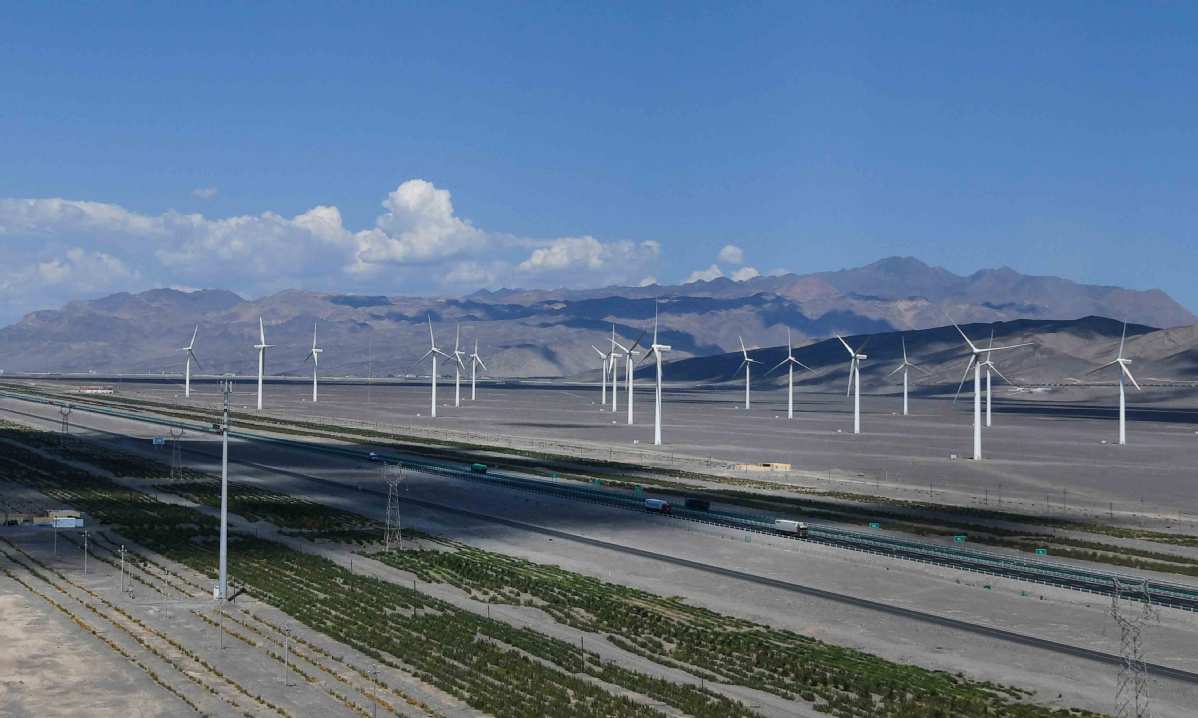
The world needs new, sustainable, clean and green infrastructure, but building infrastructure and transportation links, digital and energy networks and people-to-people connections requires money. Lots of it.
Assessments of global infrastructure investment needs vary. Asia alone needs to invest $26 trillion from 2016 to 2030, or $1.7 trillion per year, to maintain growth momentum, eradicate poverty and respond to climate change, according to the Asian Development Bank.
Quality infrastructure is indispensable for the achievement of the United Nations' Agenda 2030, which aims to ensure global justice, peace, prosperity, well-being, health and global cooperation for the benefit of each and every animal and human being. It improves people's lives, boosts mobility, makes countries competitive, and enhances trade and investment. Connectivity can help to build peace and resolve conflicts.
Connectivity is also the new geopolitical "Great Game", pitting nations with competing visions of Eurasia against each other, prompting fears of connectivity conflicts caused by new rivalries or the reemergence of old ones. The Great Game was a political and diplomatic confrontation that existed between the British and the Russian empires for most of the 19th century.
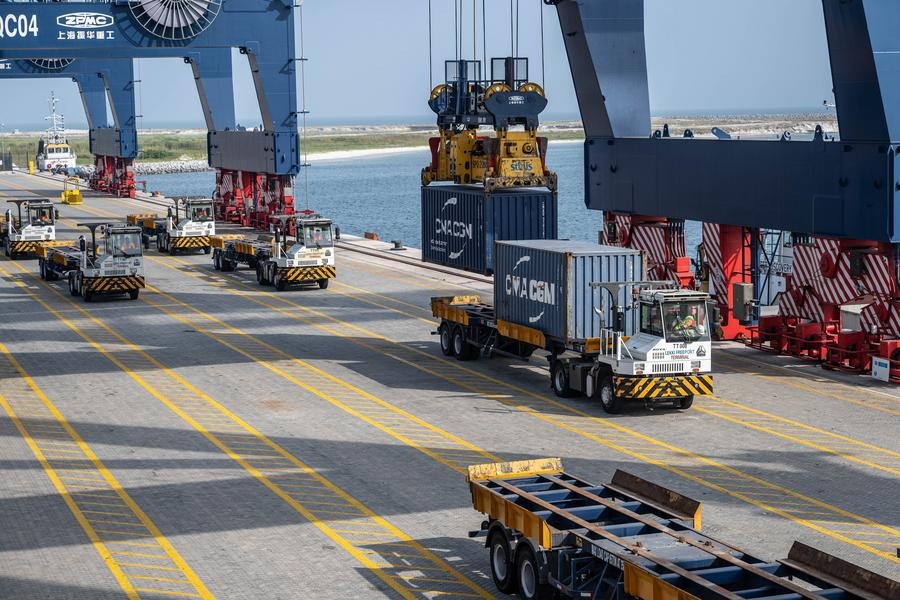
The China-proposed Belt and Road Initiative has captured headlines since it was launched by President Xi Jinping in 2013. But Beijing is not alone in its connectivity ambitions. The Association of Southeast Nations' Master Plan on Connectivity was launched in 2010. Japan, India and Europe, as well as Russia and the United States, are working hard to further their own connectivity agendas at home and in Asia and Africa.
The focus on linking continents, regions, nations and communities is welcome and long overdue. But instead of encouraging synergies and cooperation, competing initiatives are introducing additional strains on an already tense geopolitical environment.
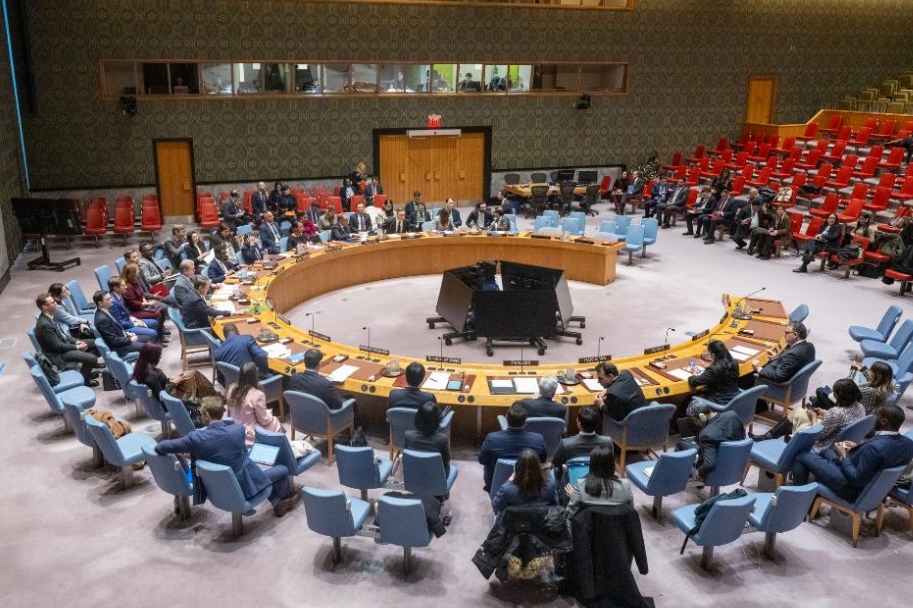
That's why it's time to multilateralize connectivity. Infrastructure is a vital public good that requires responsible connectivity actors, strong governance and a rules-based multilateral framework.
Infrastructure networks should be coherent and interoperable, as well as financially and environmentally sustainable. Calls for tender should be open and transparent. There is a need for better governance, more coordination and increased exchanges and agreements on norms and standards.
The current lack of clear communication between connectivity actors is leading to a wasteful duplication of initiatives. The exclusion of civil society from connectivity discussions results in projects that are not designed with the needs of people and communities in mind.
And private businesses must be part of the conversation and the decision-making on establishing rules for projects.
The European Union, in cooperation with China, Japan and key member states of the Association of Southeast Asian Nations, should look at three options.
First, it should create a multilateral connectivity code of conduct that lays out the rules for engaging in connectivity projects.
Second, the EU needs to reinforce and expand the recently established Multilateral Cooperation Center for Development Finance, which brings together several key European, Asian and Chinese financial institutions involved in the BRI.
The center already includes eight multilateral financial institutions, including the Asian Development Bank, the Asian Infrastructure Investment Bank, the European Bank for Reconstruction and Development, and the European Investment Bank.
Finally, an international connectivity forum should be set up to allow for the participation of the private sector and civil society in conversations about connectivity.
The Eurasian landscape is already littered with an expanding, overflowing noodle bowl of bilateral and regional trade agreements. The connectivity agenda is turning into an equally chaotic and tangled web. It doesn't have to go that route.
The world certainly needs more connectivity, not more connectivity confusion.
The author is director of policy at Friends of Europe, a Brussels-based think tank. The views do not necessarily reflect those of China Daily.