IMF: Tech 'shock’ may hurt more than trade gaps









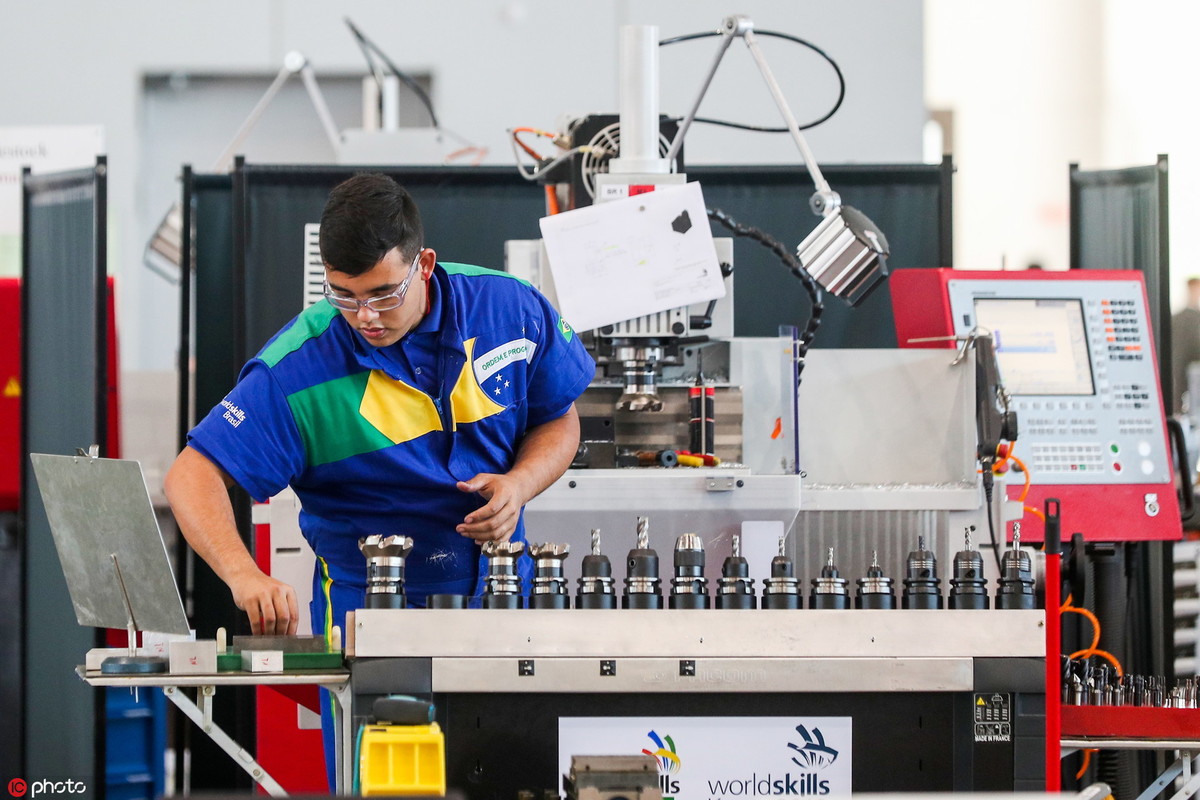
An increase in automation can actually deliver a "technology shock" to nations' less prosperous regions unprepared for job displacement, according to excerpts from the International Monetary Fund's World Economic Outlook released Wednesday.
The report says that "technology shocks — proxied by declines in the costs of machinery and equipment capital goods — raise unemployment in regions that are more vulnerable to automation, with more exposed lagging regions particularly hurt".
The IMF said that the technology shocks can be more harmful than "trade shocks".
"Although much discussed, trade shocks — in particular greater import competition in external markets — do not appear to drive the differences in labor market performance between lagging and other regions, on average," the report said.
The IMF specifically said its findings were not inconsistent with research finding large trade dislocations in US manufacturing hubs — in the developed world as a whole "shocks from import competition ... from China's economic rise do not have marked average effects on regional unemployment in a broad sample of advanced economies".
The issue is at the core of the debate over globalization, how it has affected politically influential groups of voters in some countries, and whether the protectionism sought by some politicians will pose risks to global growth.
The IMF suggested that "national policies that reduce distortions and encourage more flexible and open markets, while providing a robust social safety net, can facilitate regional adjustment to adverse shocks, dampening rises in unemployment".
The report also addressed subnational regional disparities in real output, employment, and productivity in advanced economies, which have attracted greater interest in recent years against a backdrop of growing social and political tensions.
"Regional disparities in the average advanced economy have risen since the late 1980s, reflecting gains from economic concentration in some regions and relative stagnation in others," the report said.
"On average, lagging regions have worse health outcomes, lower labor productivity, and greater employment shares in agriculture and industry sectors than other within-country regions. Moreover, adjustment in lagging regions is slower, with adverse shocks having longer-lived negative effects on economic performance."
While the concentration of jobs and wealth in parts of a country may be a "normal feature of growth" that would eventually bring "catchup" benefits to other areas, the IMF said that the process of "convergence" in the developed world has slowed or stopped.
Areas suffering from "persistent inefficiencies" may be at risk of being left behind for good, the IMF said, a situation that "can fuel discontent and political polarization, erode social trust, and threaten national cohesion".
The IMF report also looked at the pace of structural reforms in emerging market and developing economies, finding that it was strong during the 1990s, but has slowed since the early 2000s.
The new IMF managing director, Kristalina Georgieva, in her inaugural speech on Tuesday, urged countries to act quickly to implement structural reforms, which as IMF research has found, could raise productivity and generate enormous economic gains.
"Potential job losses from automation and shifting demographics require countries to reform the structure of their economies," she said. "If we do not act, many countries will be stuck in mediocre growth."
The IMF report says that a reform push in areas such as governance, domestic and external finance, trade, and labor and product markets could deliver sizable output gains in the medium term.
A major and comprehensive reform package might double the speed of convergence of the average emerging market and developing economy to the living standards of advanced economies, raising annual GDP growth by about 1 percentage point for some time.
At the same time, reforms take several years to deliver, and some of them — easing job protection regulation and liberalizing domestic finance — may entail greater short-term costs when carried out in bad times; "these are best implemented under favorable economic conditions and early in authorities' electoral mandate".
Reform gains also tend to be larger when governance and access to credit — two binding constraints on growth — are strong, and where labor market informality is higher — because reforms help reduce it. These findings underscore the importance of carefully tailoring reforms to country circumstances to maximize their benefits.
The report said that reforms have been "generally more far-reaching in emerging markets than in low-income developing countries over the past few decades".
It cited China and Egypt for positive reforms in their labor markets.
Reuters contributed to this story.