RRR cut to ease firms' financing problems









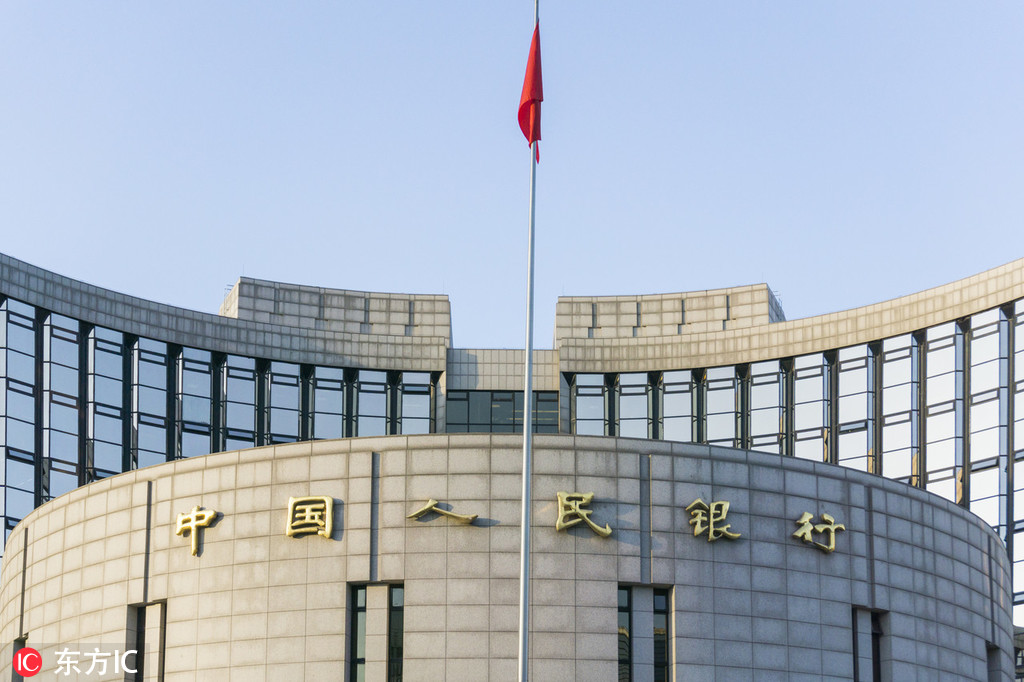
Editor's Note: China's central bank will cut the reserve requirement ratio for financial institutions by 0.5 percentage point and an additional 1 percentage point for some urban commercial banks from Monday. 21st Century Business Herald comments:
At a time when the Chinese economy is facing growing downward pressure due to numerous domestic and global factors, it is necessary for the monetary authorities to provide reasonable and abundant liquidity for the market in order to reduce the financing costs of enterprises and support the real economy.
The latest RRR cut, which to some extent is a hedge against the mid-September tax period, does not mean China will change its prudent monetary policy. But given the economic slowdown, China should guard against the excessive pursuit of "good assets" by releasing too much liquidity.
For instance, in order to reduce the financing costs of industries, especially to alleviate the financing difficulty of some small and medium-sized enterprises, the monetary authorities adopted a relatively loose monetary policy in 2014. The move did ease many enterprises' difficulties, but the lack of enough high-quality assets, a large amount of liquidity prompted to flow into the high-yield real estate sector and local government debt.
The government has basically completed deleveraging in the property and financial sectors, and local governments have to be transparent about their debts. But owing to the increasing risks associated with bonds, some funds may end up as bank deposits, which will further reduce financial institutions' profits while raising the savings rate.
The loose monetary policy adopted by Japan in the 1980s, which created serious property bubbles, should be a lesson for China. True, China has strengthened the regulatory firewall to strictly control the flow of "hot money", but it still needs to be wary of financial speculation in some areas.
History tells us that the excessive use of financial policies to stimulate economic growth brews bigger risks. China should take appropriate measures to avoid such risks.