Burying the past, to plant a greener vision of the future









Fear of failure
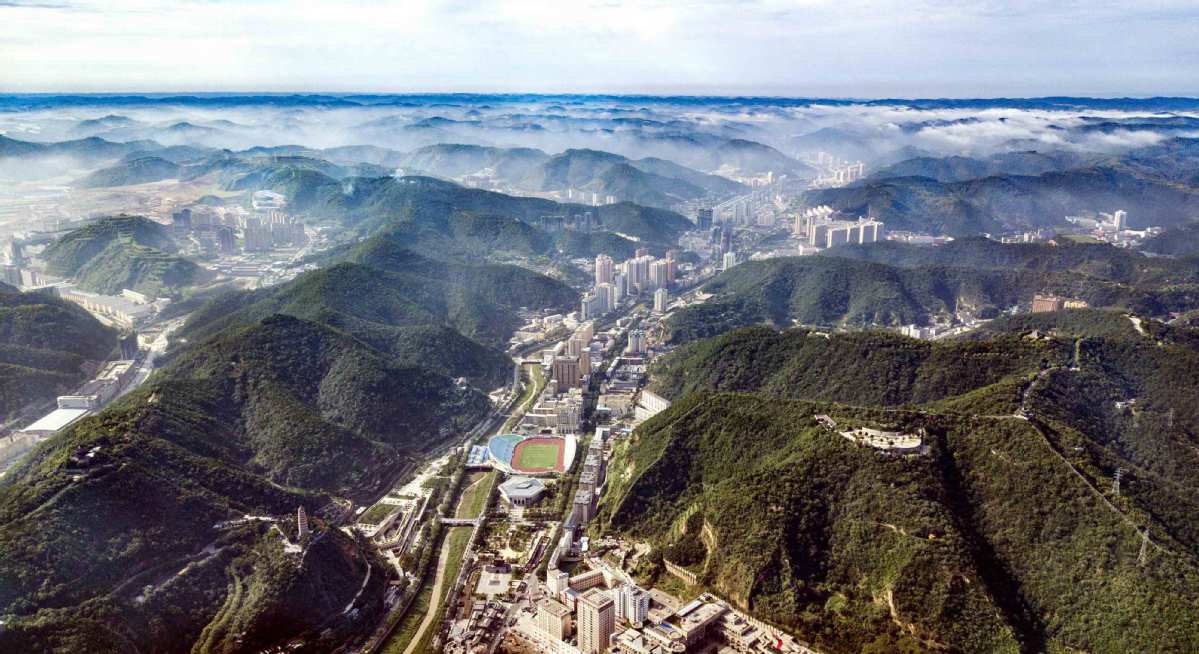
Despite the drastic decline in the area of farmland, the county's grain output has not dropped as feared.
Liu Guangliang, deputy director of the county's forestry bureau, said farmers used to plant extensively, but harvests were poor due to water and soil erosion, limited vegetation and uneven rainfall.
Now, having less land to farm has forced villagers to improve their yield from the land.
"Less land meant farmers had to embrace much more intensive farming practices, and adopt modern agriculture technologies," Liu said. "The improved forest coverage also contributed to the hike in grain output."
Yan'an, sitting on the Loess Plateau in the north of Shaanxi, is among the country's most environmentally fragile regions with its bare hills, winding ravines and swirling dust. It has been depicted in a number of artistic works, including the 1987 film Old Well, which stars the Beijing Olympics opening ceremony director Zhang Yimou, and has a plot involving a water-starved village.
Yan'an's rainfall - 500 millimeters a year - is usually from June to September. When the rain comes, it easily washes away the thin layer of top soil.
For decades, the muddy sediment was discharged into the upper and middle reaches of the Yellow River, and raised the risk of it bursting its banks in populous central provinces.
Experts say the region's environmental degradation was largely an outcome of intense human activity dating to the 1940s, when Chinese communists drove the cultivation of wilderness areas to ensure the survival of the revolution in Yan'an, an underdeveloped region besieged by the Kuomintang.
Intensive and widespread farming was required to feed humans and livestock, and crop residue was used as firewood. The trend continued after the founding of the People's Republic of China in 1949, which kick-started the rapid population explosion in cities and greater demand for land.
Hou Xiuzhen, whose father-in-law Liu Baozhai was among Red Army commanders who led Yan'an's cultivation boom in the 1940s, said her ancestors had turned the city's Nanniwan village into a crucial supply area for revolutionaries, albeit at a heavy cost to the environment.
"Rains in summer used to cause flash floods that destroyed paddy fields in the ravines, and in some cases killed people," she said.




- Dazzling Guangzhou lantern display begins countdown to Spring Festival
- Huizhou takes major step forward as petrochemical hotspot
- Beijing's Shunyi district cracks down on crimes related to public welfare
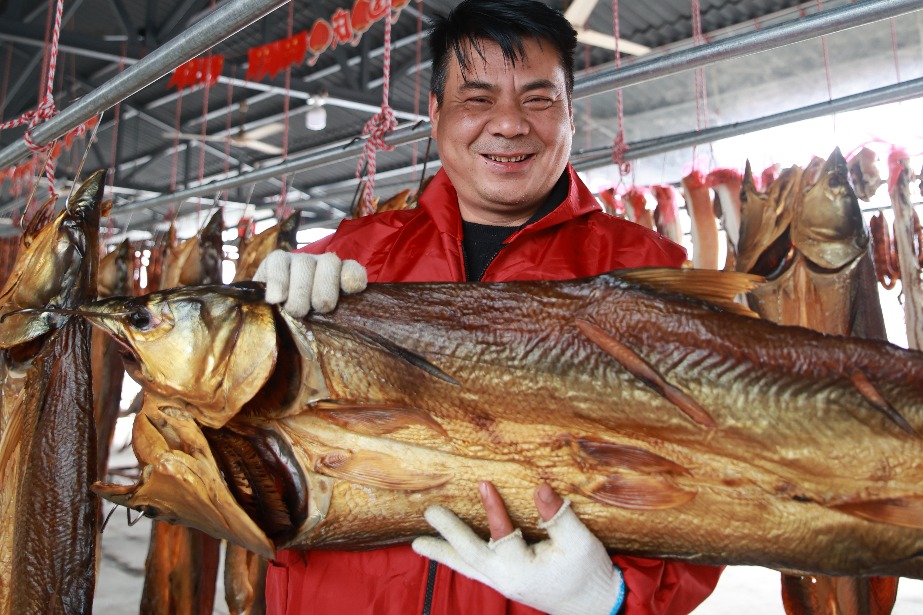
- Hunan's smoked fish and meat arrive in time for Spring Festival
- International arrivals to Guizhou skyrocket after visa-free policies
- Hubei deputy proposes museum of ancient Chinese law at Qin bamboo slip site