



Recycling smartphones a must to avoid raw material shortages









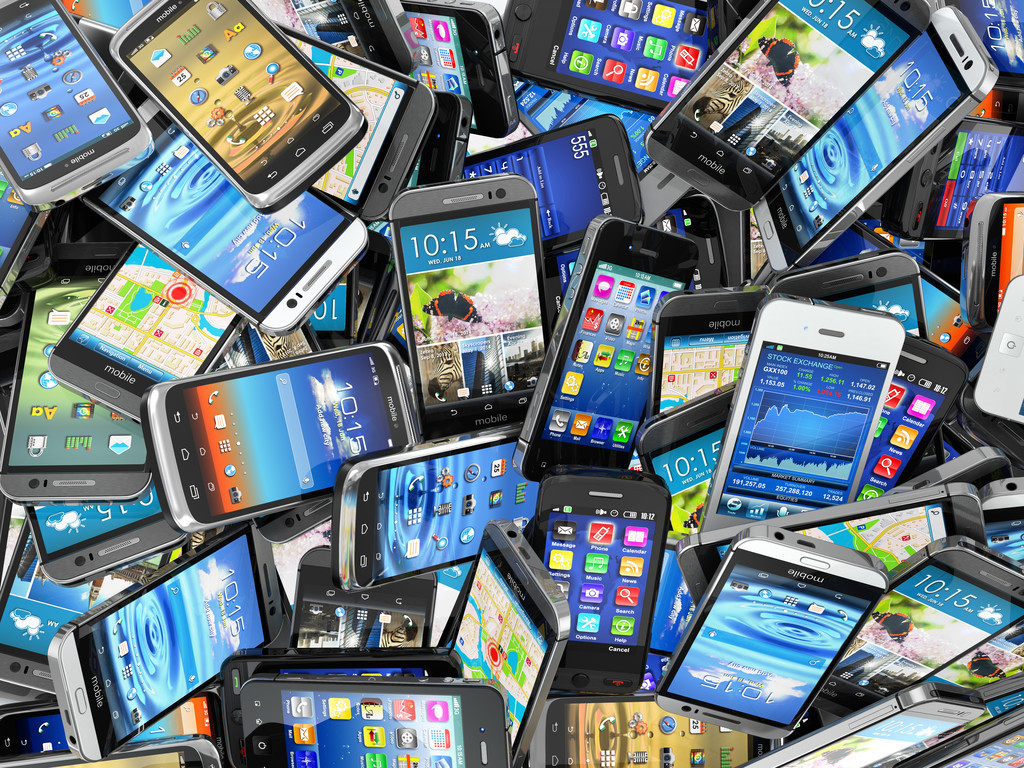
In China alone, 160 million phone handsets are produced each week.
A vast amount of material is used in the production of these phones; devices we upgrade, on average, around every 18 months.
New flagship phones from global brands, including Huawei and Samsung, also get released relentlessly, every half year.
As we keep switching to newer and shinier models, old handsets often do not get recycled, and end up living the rest of their eternal metallic lives in various cupboards and drawers around the household.
But just why is this an issue? Most of us may never have heard of the rare earth elements indium and tantalum but these corrosion-resistant materials are the staple of the electronic components in our phones and other devices.
Scientists predict that these materials may run out near the end of the century, leading us into a fossil-fuel-like crisis.
A recent survey carried out by the Royal Society found that, in the UK, 51 percent of households have at least one unused electronic device, while a disturbing 45 percent have between two and five unused electronic devices, which include anything from smartphones to laptop computers.
This is a substantial amount of wasted resources, as the survey continued to show that 82 percent of these people have no plans to recycle or sell their unused devices. While the study took place in the UK, general recycling rates and attitudes across the rest of the world do not fare much better. In fact, the UK is considered to be in the top 15 countries in the world in terms of recycling per capita, according to the World Economic Forum.
The problem has led scientists to worry that, within 100 years, we may suffer a material shortage for electronic devices, with a global effect akin to our current energy crisis.
However, unlike our current dwindling fossil fuel supply, which can be replaced with renewable energy sources, we currently have no alternatives to rare earth materials such as indium and tantalum.
Once they are gone, they are gone. The deadline for this impending crisis may be accelerated by the trend of younger generations to possess more electronic devices than previous generations, and for them to purchase new items increasingly frequently.
So, recycling your old smartphone or tablet is not such a bad idea. Aside from saving space and decluttering the house, there are real environmental and sustainability benefits to recycling them and their precious metals. Manufacturers, too, must also have a degree of responsibility, as they are the ones producing these metals in the first place. The current approach of mass manufacturing may not be sustainable in the near future, with an ever-increasing demand for devices that become more sophisticated by the year.
Corporate recycling initiatives that recover and salvage each discontinued handset as a normal part of the product's lifecycle could help immensely.
Some would argue that we do not need to be constantly upgrading our phones in a desperate attempt to keep up appearances.
The global smartphone market was valued at more than $500 billion last year. With 5G now on the horizon, and new handsets in the pipeline that will be equipped for 5G, it may be worth thinking about how we should be caring for, and disposing of, our precious phones.





