



The planet's future burns along with Amazon









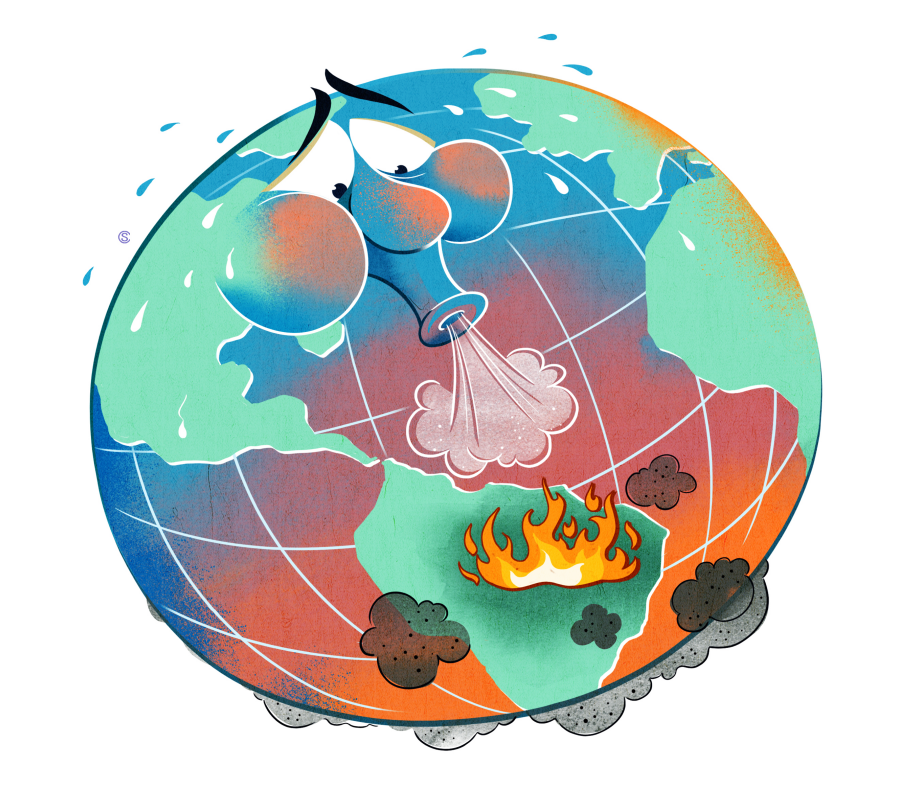
The nearly 73,000 fires, most of them set illegally to clear and prepare land for agriculture, cattle farming and property speculation, have prompted the state of Amazonas to declare an emergency. The fires have decimated the Amazon rainforest, which could be devastating for an ecosystem that produces a huge amount of the planet's oxygen, sparking international concerns over the destruction of one of the world's largest carbon sinks.
From frustration to mourning, the community of concerned individuals and organizations the world over are trying to find ways of curbing the man-made devastation in the Amazon.
"Our house is burning," tweeted French President Emmanuel Macron, calling for emergency talks on the issue at the just concluded G7 summit in Biarritz in France.
Although wildfires in the Amazon are an annual occurrence, especially in the dry season which begins in July and continues up to September, this year they increased 84 percent compared with last year.
Many climate skeptics and those who never get tired of denying that global warming is man-made have claimed the Amazon fires this year are a natural phenomenon, but environmentalists assert humans are the root cause of the fires.
Scientists say the ongoing destruction will have dire consequences for Brazil and the world. The Guardian quoted Carlos Nobre, a senior researcher at the Institute of Advanced Studies at the University of Sao Paulo, as saying the increase in deforestation was taking the rainforest closer to a tipping point beyond which swaths of the usually humid forest would become a dry savannah, with dire consequences for the climate, wildlife and forest dwellers.
Deforestation was on course to rise by 20-30 percent this year, Nobre said, adding that it was "very likely" to pass 10,000 square kilometers for the first time in more than 10 years.
Nobre told The Guardian: "A very large number of these fires are due to the cultural push that ministers are giving. They are pushing deforestation because it is good for the economy."
"Good for the economy" in the short term, perhaps, but considering the devastating effects of massive forest fires and deforestation in the long log run, it could mean the end of economic development as we know it.
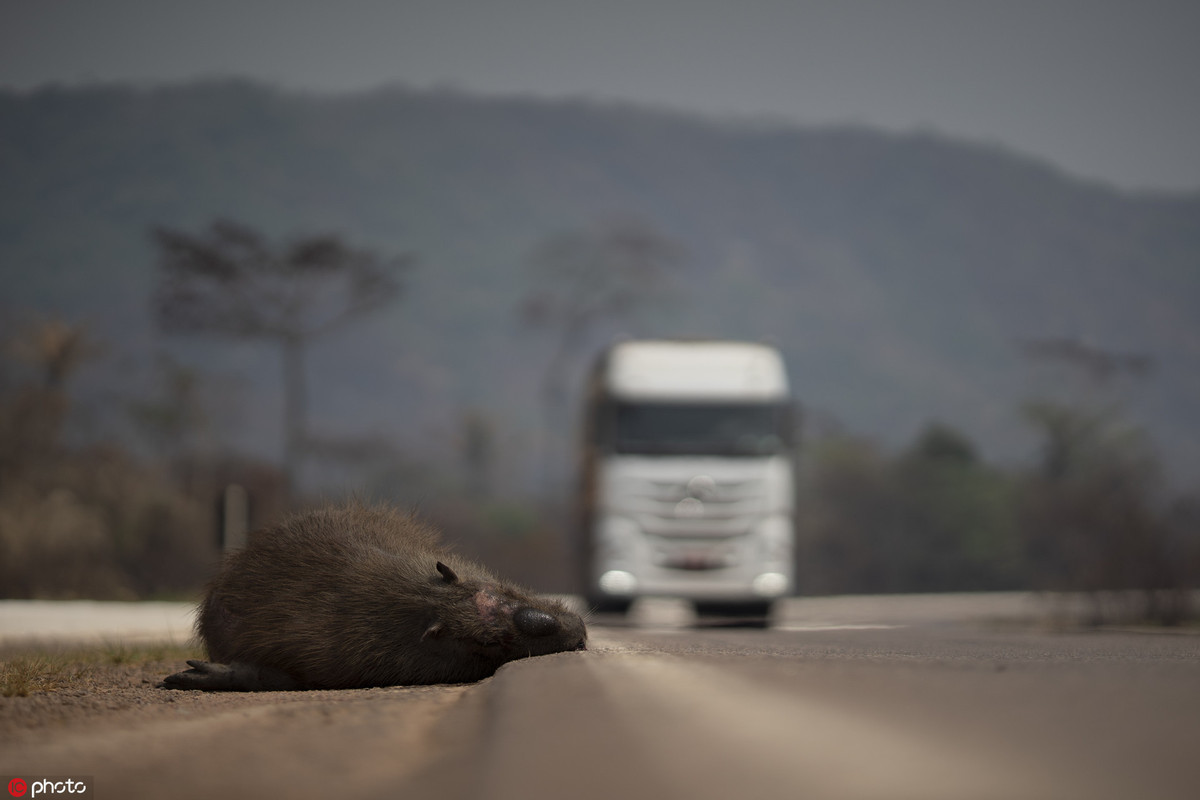
In Mato Grosso, a soy frontier, which has seen more fires than anywhere else in Brazil this year, burning has been detected inside indigenous people's lands and nature reserves.
Nobre told The Guardian that one of the only remaining ways to prevent a dangerous loss of forests was through external protests and consumer actions. "Politicians in Brazil pay more attention to international pressure than the voice of Brazilians," he said.
But in the run-up to the G7 summit, the developed world's response to the crisis was mixed. Norway and Germany halted donations to the Brazilian government's Amazon fund, but the United Kingdom spent last week focusing on post-Brexit business with Brazil.
Also last week, British Trade Minister Conor Burns was shaking hands with his Brazilian counterpart in Brasilia, saying the UK is eager to deepen relations with Brazil. Worse, asked about the Amazon fires, Burns refused to comment but reportedly said the Bolsonaro government had "legitimate ambitions to bring prosperity to its people".
Thomas Lovejoy, a co-author of the tipping point study and who has worked for more than 50 years in the Brazilian rainforest, said this is one of its darkest moments for the Amazon. "There have always been some ups and downs, but the overall trajectory has been towards improvement. Now, Brazil is headed in the other direction. Under normal circumstances, the outside world would endeavor to help, but this Brazilian government is not interested in help."
However, the $20 million the outside world, more precisely the G7, has pledged to douse the Amazon fires has been dismissed as "chump change" by environmentalists, as the amount is mainly aimed at sending firefighting aircraft to tackle the conflagrations.
More worryingly, the world is divided when it comes to fighting climate change, as was evident in the empty chair of the US leader at the G7 meeting on climate change.
It seems those hell-bent on boosting economic growth at any cost are holding the future of the world's forests, rather the future of the planet, to ransom. But without forests there won't be any development.
The author is a senior editor with China Daily.





