



Forest report produces tombstone blues









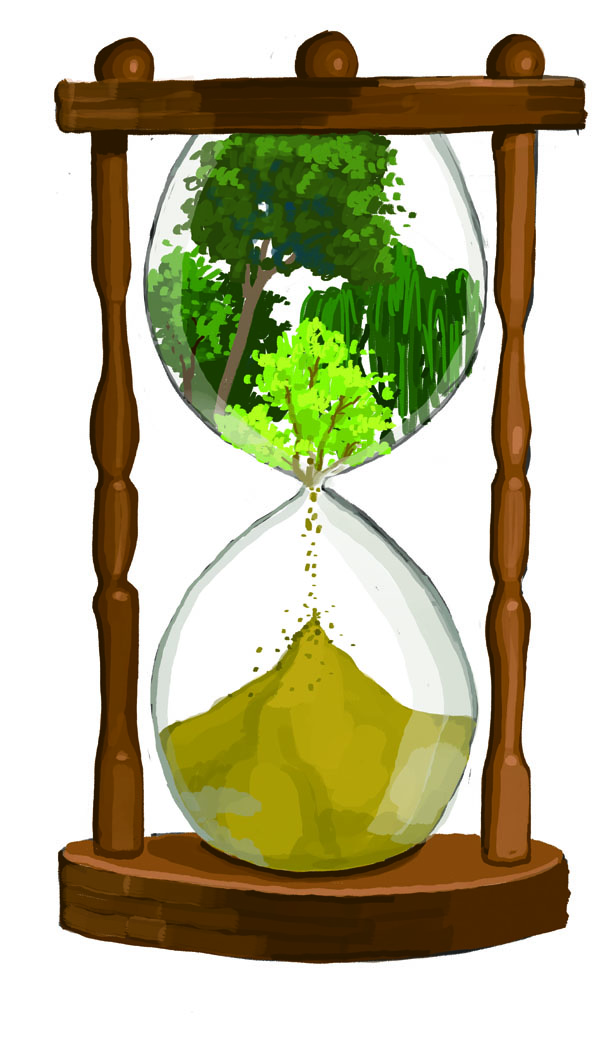
THE WORLD WIDE FUND FOR NATURE has published the first-ever global assessment of forest biodiversity, titled "Below the Canopy", which shows that monitored forest-dwelling wildlife populations have shrunk by more than half between 1970 and 2014, the most recent year for which data are available. China Daily writer Zhang Zhouxiang comments:
The UN Environment World Conservation Monitoring Centre co-led the analysis and modeling for the report in collaboration with the Zoological Society of London. The report, which focuses on species that depend entirely on forests, sounds an alarm as the monitored populations of forest-living birds, mammals, amphibians and reptiles declined on average by 53 percent over the 44 monitored years.
The majority of this loss has been in the tropics, where there is the most wildlife to lose. The report highlights the many threats forest-living species are facing, among which habitat loss and degradation, primarily due to human activity, is the biggest threat, with the declines greatest in tropical forests, such as the Amazon rainforest.
Forests are vital to the health of the planet as they are important carbon sinks. Forest wildlife, in turn, provides vital functions to keep forests healthy and productive. These essential operations include pollination, seed dispersal and other crucial roles that affect natural regeneration and carbon storage. We urgently need to safeguard forests and the species that live in them if we are to reverse the decline in biodiversity worldwide and avoid a climate crisis.
At the Nanhaizi Park, located in Daxing district, Beijing, there is a "cemetery for extinct animals", which has about 145 tombstones laid one on top of the other, like toppled dominos. Each stone is inscribed with the name of the species, as well as numbers in brackets which are the extinction dates released by the International Union for Conservation of Nature. Created by animal specialist Guo Geng who went to work in the park in 1998, the tombstones are laid out like this to highlight how the extinction of one species triggers the extinction of related species.
After another mass extinction, the Earth will prosper again, and other species will come to the fore, but it is highly possible that humans will not be around to see it, as we are dependent on the biodiversity that exists now. If we don't want our own species' name carved on a tombstone, we need to act now.





