



Government takes action on healthcare for poor and creates opportunities for graduates









Several ministry-level departments, including those for health, education, and human resources and social security, have responded recently to issues of public concern.
Rural access to medical services improved
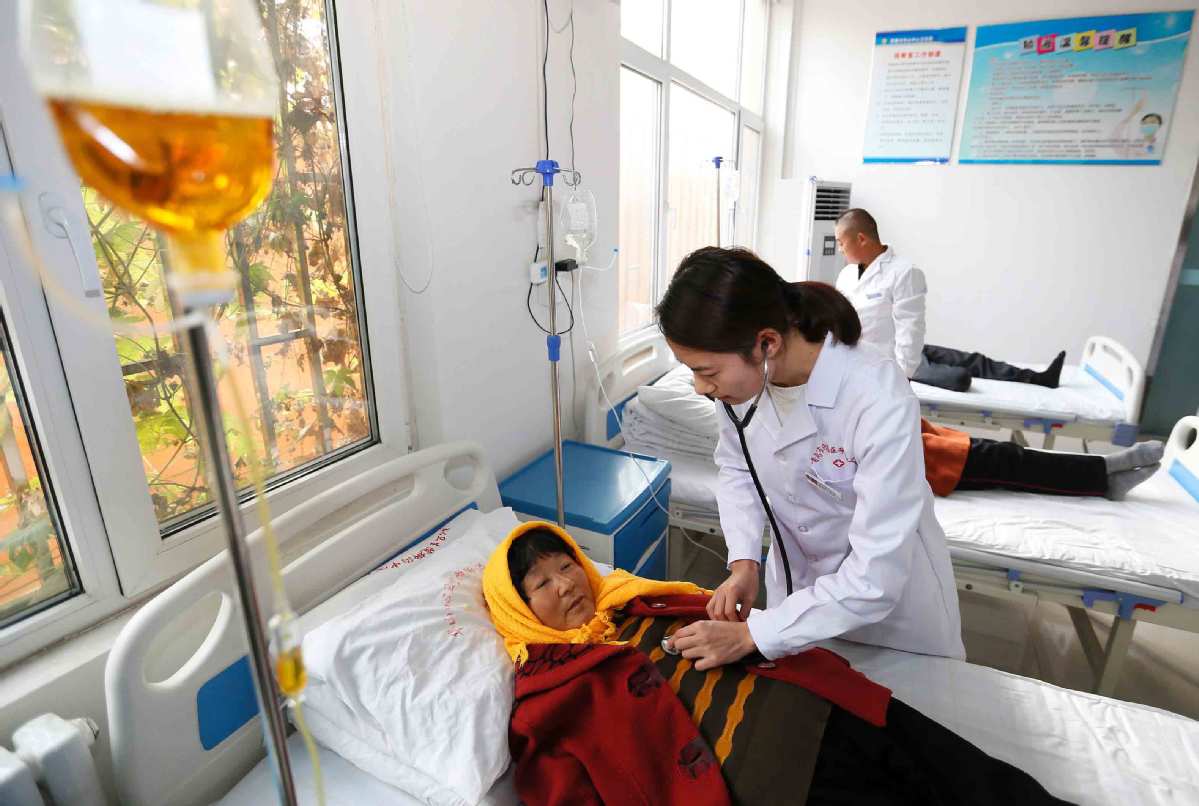
The National Health Commission will adopt measures to ensure all rural residents have access to basic medical services by the end of this year, it said on July 9.
The measures, part of the country's ongoing poverty reduction campaign, are designed to make sure all poor people, especially those living in impoverished areas, can enjoy basic medical services, He Jinguo, an official with the commission's poverty reduction office, said at a news conference.
The commission wants patients with common and chronic diseases to be able to receive diagnosis and treatment at healthcare institutions at the primary level, he said.
Around 14.35 million poor patients with serious and chronic diseases have received basic treatment and health management services, according to the commission. It added that poor patients only need to pay an average of about 10 percent of their total medical fees.
More residency rights for graduates
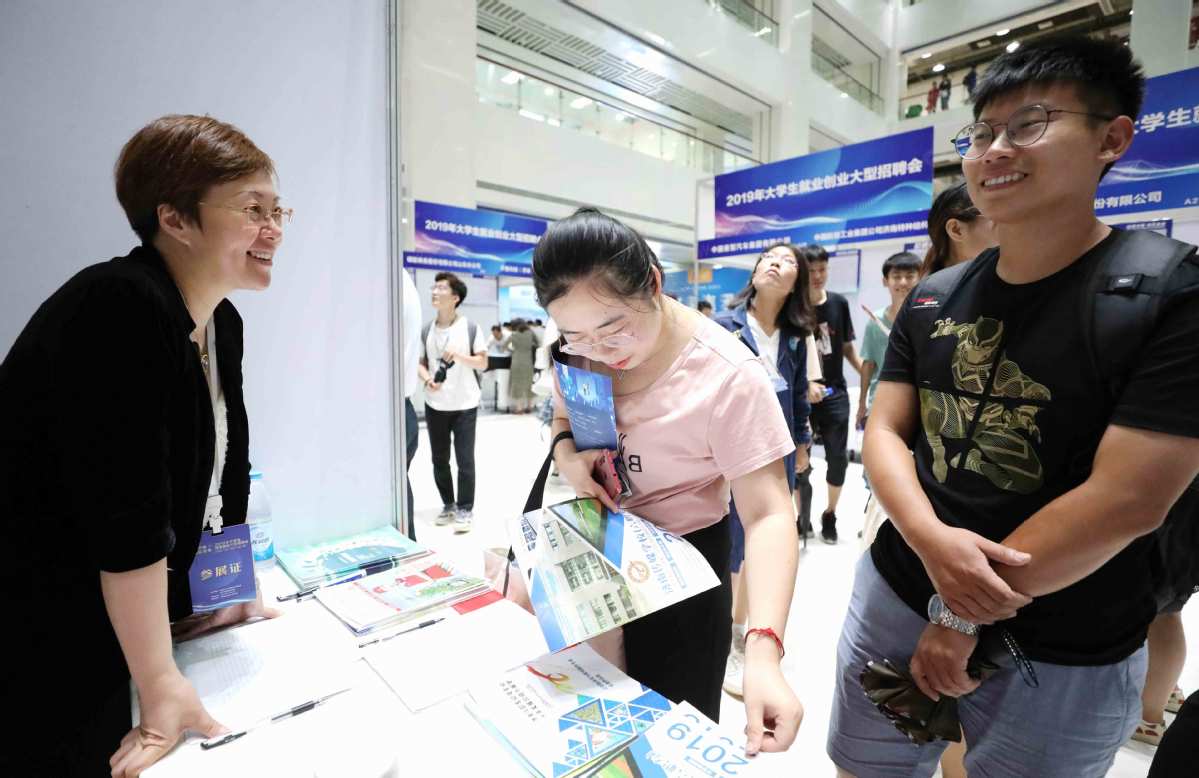
China has scaled up measures to help college graduates find jobs and start new businesses with measures to relax residency restrictions and facilitate the establishment of startups, according to a notice released on Friday.
The notice, jointly issued by the Ministry of Human Resources and Social Security and four other government departments, said efforts will be made to expand employment channels for college graduates. Incentives will be offered to small and micro-sized enterprises if they hire people who have been unemployed for two years after graduating from college.
College graduates will no longer face restrictions in obtaining hukou - registered permanent residence - in non-first-tier cities, including provincial capitals, with the registration process for graduates to be simplified.
Agencies engaged in illegal activities, including those that post fake recruitment information and lure graduates into debt traps and pyramid schemes, will be targeted.
Training and internship opportunities will be expanded, and the government will help arrange internships for college graduates and unemployed young people, the notice said.
The authorities will also boost measures to encourage graduates to start new businesses and make it easier for them to apply for startup loans. Graduates will also be offered incentives to start businesses in their hometowns or in rural areas.
China is expected to see 8.34 million students graduate from college this year, 140,000 more than last year.
Inspections target summer schools
The Ministry of Education has launched a special inspection targeting wrongdoing by nonschool training institutions during the summer vacation.
Local education departments have been told to inspect all such institutions in their administrative areas, the ministry said on Wednesday.
It called for local authorities to accelerate the establishment of long-term oversight mechanisms and respond to public complaints in a timely manner.
The ministry has ramped up supervision of after-school training institutions in the past year in an effort to curb extracurricular programs that put children under too much pressure and cause unnecessary competition among students.
Pledging IPR for loans to be encouraged
The National Intellectual Property Administration said on July 9 that it will enable more small and micro-sized businesses to obtain financing by using their intellectual property rights as collateral.
Zhao Meisheng, an official with the administration, said at a news conference that financial institutions will be encouraged to establish and improve mechanisms for obtaining loans by pledging intellectual property to ease the financing difficulties faced by small and micro-sized businesses.
The banking sector will establish a credit approval system and interest rate pricing mechanism in line with the characteristics of IPR
Zhao said more businesses have obtained financing through pledges of intellectual property, easing capital constraints and accelerating the commercialization of their IPR. In the first half of this year, newly pledged patents and trademarks helped businesses obtain financing of 58.35 billion yuan ($8.48 billion), up by 2.5 percent year-on-year.


- Seven dead, 12 hurt as vehicle rolls over in Yunnan
- Purple sea of?catnip flowers?blooms in Shandong town
- 'Blue tears' turn Fuzhou's beaches fluorescent
- China-made marine-derived antitumor drug to begin combination therapy trials soon
- Wild apple trees create a poetic spring landscape in Xinjiang
- Tianjin town plays leading role in global instrument trade





