



A digital path to better health for all









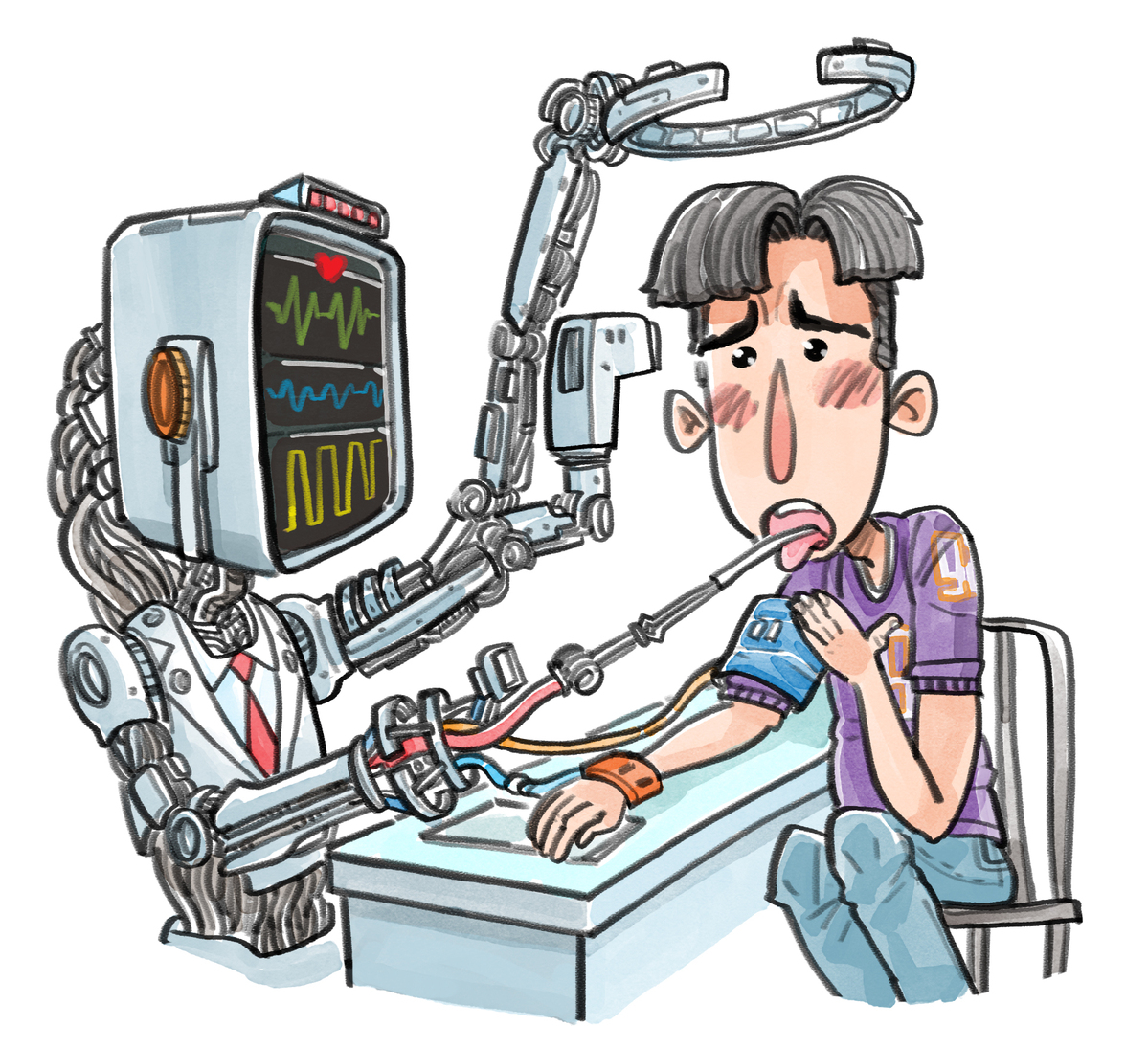
Global leaders at the recent annual gathering of the World Health Assembly in Geneva expressed worry and optimism in almost equal measure. Delegates at the assembly-the decision-making body of the World Health Organization-likened the scope of the world's health crisis to that of the threat posed by climate change. They also agreed, however, that digital technology and data will play a crucial role in accelerating efforts to achieve health for all.
In many respects, the world's health has improved markedly in recent decades: average global life expectancy has increased by more than five years, while childhood mortality has declined by more than 50 percent since 1990. Yet half the world's population still lacks full access to basic health services, and health-related expenses drive roughly 100 million people into poverty every year. The problem is particularly severe in low-and middle-income countries, where the financial burden of the four most frequent non-communicable diseases alone (cardiovascular disease, cancer, diabetes and chronic respiratory diseases) is expected to surpass $7 trillion from 2011 to 2025, according to WHO.
At the same time, the world is just beginning to recognize the potential of digitally enhanced data to improve health. With increased use of digital technology, we can help people stay healthy, rather than waiting for them to get sick. We can make reactive healthcare systems proactive and-thanks to artificial intelligence (AI)-even predictive.
Most cost-effective way to meet health-related SDGs
In our view, digital health is the most efficient, cost-effective way for the world to meet the United Nations Sustainable Development Goals' health-related targets-particularly universal health coverage, whereby everyone can access the quality care they need without incurring financial hardship. This is also a high priority for WHO, which earlier this year created a Department of Digital Health and published its first set of guidelines on the subject.
With several major global strategy-setting meetings ahead, including the UN High-Level Meeting on Universal Health Coverage in New York in September, the world must act now to realize the promise of digital health. We see three distinct opportunities for cross-sectoral partnerships: in prediction, prevention and healthcare delivery.
Understanding-and, where possible, predicting-the health profile of populations is integral to providing better care. Digitalized data collection, including through the use of AI and machine learning, can help healthcare systems to detect risk factors in advance and respond quickly to prevent disease. Real-time data can inform planning and resource-allocation decisions, reduce costs, and improve the overall quality of care. Better processes for ensuring data security and privacy are also essential to implement predictive systems at scale.
Exploring challenges and opportunities in healthcare
To explore further the challenges and huge opportunities in this area, the Novartis Foundation and Microsoft are co-chairing a new Broadband Commission working group that will make recommendations regarding how AI can safely improve health and strengthen healthcare systems. In a similar vein, health-advocacy organization PATH is working with the Tanzanian government to test machine-learning applications that promise to predict demand for vaccines more accurately and optimize their delivery.
Digital health tools that inform and empower patients can also play a crucial role in preventing disease. Simple, existing, cost-effective technology, such as mobile phones and broadband, can make a huge difference in raising awareness of the causes and early symptoms of diseases. PATH and the Novartis Foundation, for example, are collaborating on the Communities for Healthy Hearts program in Vietnam, which uses digital technology to improve and accelerate control of hypertension-the leading cause of heart disease.
Finally, digital technology can help to deliver healthcare to people in remote or underserved areas, thereby tackling one of the greatest obstacles to reducing disease. Using mobile phones, WhatsApp, and text messages can improve the quality and accessibility of care for millions of people. In this regard, the Novartis Foundation and PATH have introduced telemedicine in Ghana, which connects rural inhabitants with trained healthcare professionals, and digital dashboards that enable better, faster malaria care.
Digital data must be made part of health systems
Digital data and technology must be fully integrated into national health systems, and should become as essential as hospital beds. Too many digital health pilot programs over the past decade have been uncoordinated and focused on single issues. Leadership from national governments is therefore critical to ensuring a coherent approach.
Fortunately, global and country-led efforts are starting to move in this direction. Earlier this year, for example, the Democratic Republic of the Congo established its first digital health agency, with the aspiration of improving management of the healthcare system, providing better care, and making services more accessible.
We can solve the global health crisis and achieve universal coverage, but only by making digital tools central to all countries' health systems. No single organization can achieve this on its own: we need the public, private and social sectors to work together. In fact, the goal must be to make these new technologies so widespread that we no longer need to refer to "digital" health, because that is what all health systems will be.
Ann Aerts is head of the Novartis Foundation, and Steve Davis is president and CEO of the Seattle-based international nonprofit organization PATH. Project Syndicate
The views don't necessarily reflect those of China Daily.





