



Scrapping old to create green gold









I am beginning to see that the recycling of used cars and household appliances is an effective way to reuse waste metal and electronic components.
This option offers huge untapped potential to protect environment and deliver sustainable development.
It also helps minimize pollution, optimize natural resources, reduce wastage of materials like paper, plastic, glass, and aluminum, which are usually thrown in landfills.
When I read and heard about this fascinating process, I began to dig deeper, and realized it holds enormous significance.
The recycling of home appliances begins with manually dismantling each appliance. Once this is done, the hazardous components must be removed and properly disposed of. Then, the recycler is able to salvage the reusable parts.
Chinese people use more than 200 million cars and hundreds of millions of refrigerators, TV sets, air conditioners, washing machines and other household appliances, many of which are replaced by new ones each year, said He Lifeng, head of the National Development and Reform Commission.
According to the China Renewable Resources Recycling Association, the number of household appliances and electronic products scrapped is expected to reach 137 million units in 2020, increasing by about 20 percent annually.
The frequency of replacement of appliances is also accelerating. Consumers may change their televisions, mobile phones every two or three years. With the coming of the era of intelligent appliances, more and more old products are waiting to be recycled.
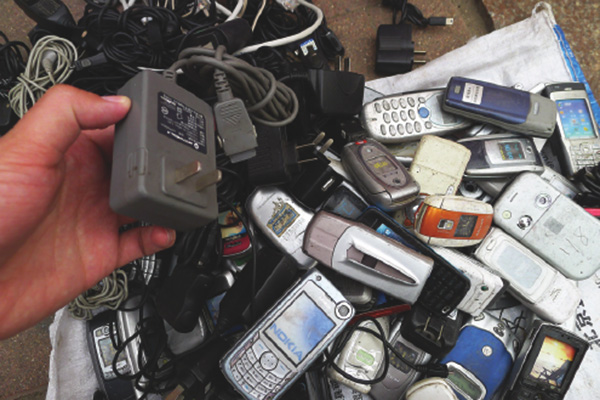
Data from the Ministry of Industry and Information Technology showed that only 5 percent of the nearly 400 million scrapped smartphones are recycled. About 50 percent of them are left at the users' homes, 20 percent get thrown away as rubbish and 15 percent are owned by the scalpers.
As for the scrapped cars, 75 percent of their parts are recycled in the United States, Europe and other developed countries, while the proportion of scrapped cars that entered the regular dismantling enterprises in China is 10 percent. So there is huge potential to recycle and reutilize used cars and household appliances.
Although both junk dealers and second-hand goods trading platforms have been actively involved in recycling, they have failed to activate the market. If the wasted goods are not properly handled, they are likely to pollute the environment.
Therefore, the establishment of a standardized recycling market is conducive to promoting the development of the circular economy, saving resources, stimulating consumption and accelerating the upgrade of related products.
In order to encourage the recycling market to develop healthily, the authorities concerned are likely to involve actively in making rules and regulations, managing recycling channels and providing related subsidies. Moreover, consumer awareness of recycling of used products should be created.



















