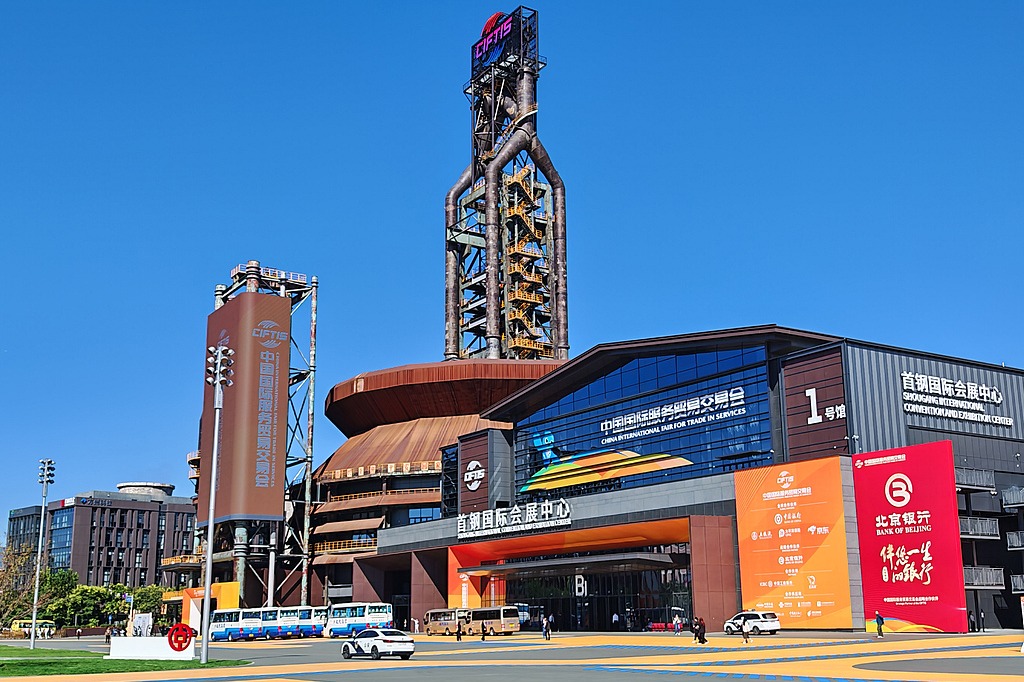
Energy demand growth set to decline by 2040









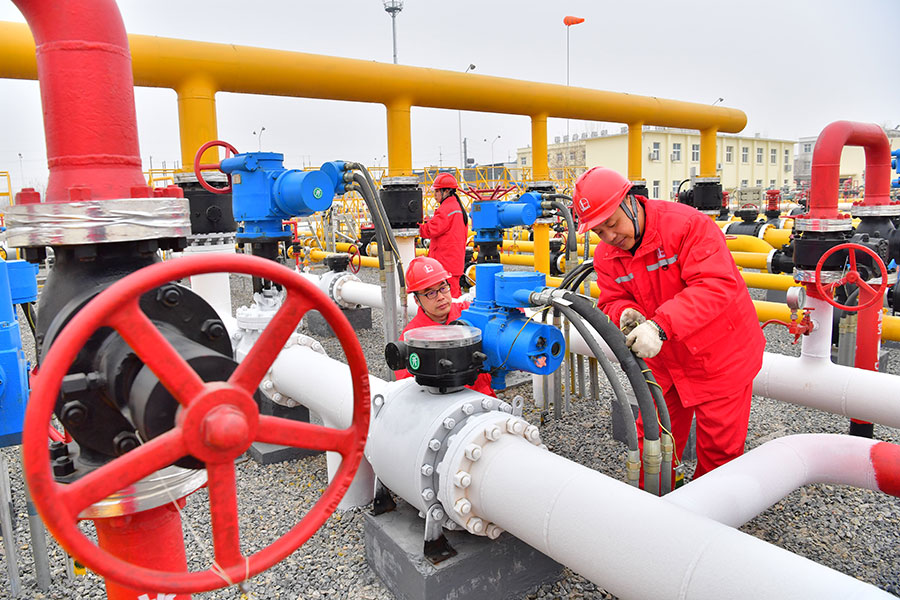
Services and consumption to power usage, rather than gas-guzzling firms
China's energy demand growth is expected to slow to 1.1 percent per annum by 2040, less than one fifth of its pace in the last 22 years of 5.9 percent per annum, according to the BP Energy Outlook 2019.
This is against the backdrop that much of the increase of energy demand will be concentrated in developing Asia including India and China, where rising prosperity and improving living standards will support increased energy consumption per head.
Analysts believe the slowdown reflects the fact that the Chinese economy is shifting from the energy intensive industry to service industries with lower energy intensity.
According to Joseph Jacobelli, an independent energy analyst and Asia-Pacific CEO of clean energy producer Joule Power, the annual energy demand forecast of 1.1 percent on average through 2040 by BP economists is sensible and realistic.
"China will take the same economic paths as other ... nations, so the growth in energy demand will surely slow as GDP growth rates slow," he said.
"The manufacturing sector takes up a smaller percentage of the consumption mix, accounting for about 64 percent of the total in the first two months of 2019. The big variable should be with energy efficiency and conservation. The higher the savings, the lower the rate of energy demand increase. Major domestic developments in energy-related digital solutions could cut the amount even further," Jacobelli said.
BP chief economist Spencer Dale said China's energy usage is no longer driven by energy intensive industries, but through growth in service and consumption. Energy demand growth from industries will decline, and China's falling energy intensity per unit of GDP and the country's increasing efficiency in energy use will also contribute to the slowdown in energy demand growth.
According to the report, developing economies account for over 80 percent of the expansion in global GDP, with China and India accounting for around 50 percent of that growth.
According to Dale, renewables and natural gas together account for the great majority of the growth in primary energy worldwide. As much as 85 percent of energy demand growth is lower carbon in the evolving transition scenario. China's energy mix continues to evolve, with coal's dominance declining from 60 percent in 2017 to 35 percent in 2040 and natural gas doubling to 14 percent. Renewable's share rises from 3 percent in 2017 to 18 percent in 2040. Demand for almost all fuels will expand by 2040, with oil up 19 percent, gas up 166 percent, renewables in power up 553 percent, nuclear up 405 percent and hydro up 31 percent, it said.
Coal demand is the only one that will decline, falling by as much as 25 percent, it said.
Despite the slowdown in demand, China still remains the world's largest energy consumer, accounting for 22 percent of global energy consumption in 2040, said the report.