



Genetic scientists must not violate ethics and existing rules









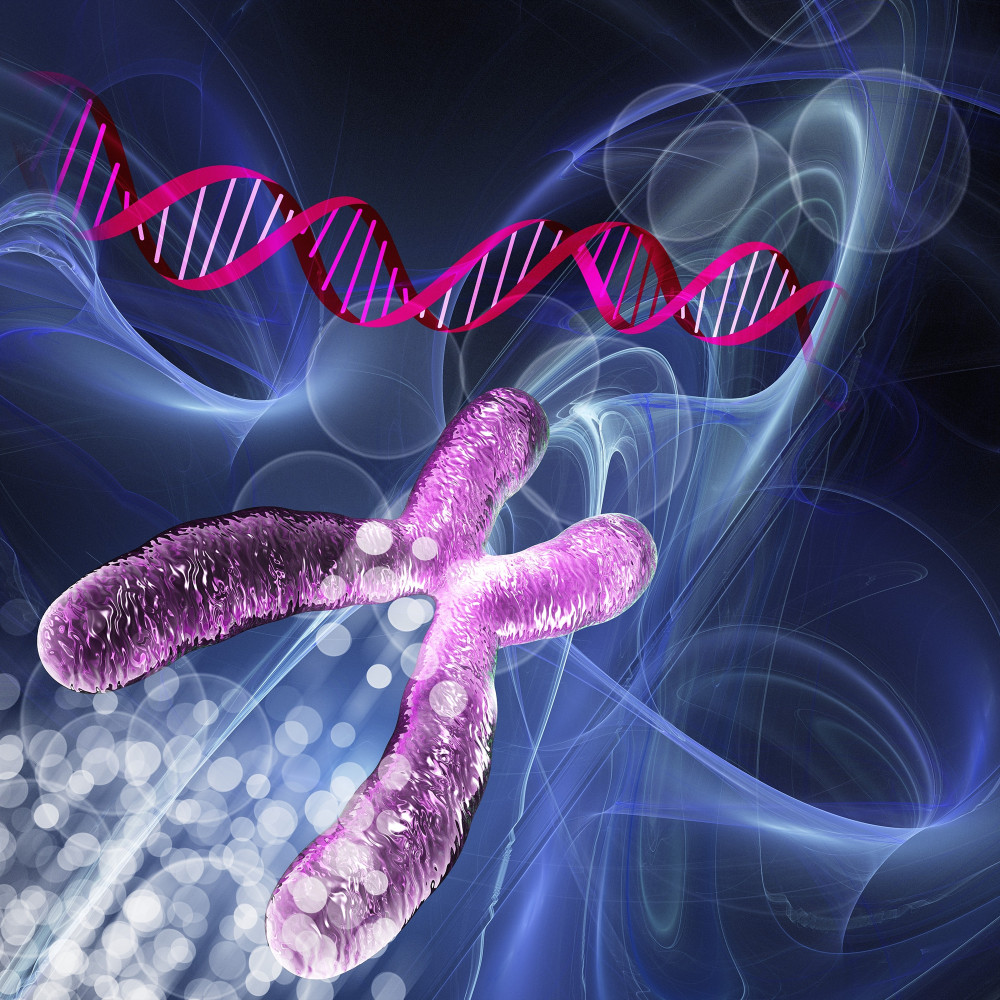
After a two-day meeting that concluded on Tuesday, the World Health Organization's expert committee reached a consensus that no one should use germline genome editing that culminates in human pregnancy. The committee, which also included a Chinese representative, agreed to work to build a strong global governance framework for human gene editing, deemed both risky and promising.
The decision comes four months after Shenzhen-based Chinese researcher He Jiankui claimed that he had created the first genetically edited human babies "designed" to be immune to HIV. The news shocked the international scientific community and prompted Guangdong province to launch an investigation into the case. The probe results, released in January, confirmed the birth of the twin girls and found some overseas scientists were also involved in the project.
In the United States, Rice University in Houston, Texas, launched an investigation against Michael Deem, a bioengineering professor at the university and He's former instructor, in late November for participating in He's research. But the university is yet to issue the probe report.
As research in science has become increasingly sophisticated and global in nature, the risk of ethics dumping-the transfer of unethical research and experiments to places with lax regulations and poor compliance-h(huán)as increased. To curb this trend, a foolproof governance mechanism must be established, and the latest WHO initiative is a step forward in this direction.
With the availability of gene-editing tools such as CRISPR (clustered regularly-interspaced short palindromic repeats), scientists can alter the very genes that make us humans. For example, by modifying the twin girls' DNA, He has made it possible for the modified genes to be passed down to their future children, and children's children and so on, posing potential risk to the human gene pool.
Upholding the principles of transparency, inclusivity and responsibility, the experts in the WHO committee agreed to form an international central registry on human genome editing research.
Zhai Xiaomei, Chinese bioethicist and executive director of the Center for Bioethics at the Chinese Academy of Medical Sciences, raised the issue of potential ethics dumping at the WHO committee meeting. But, Zhai said, the US representative dismissed the issue.
In the US, implanting GM embryos is strictly banned and violators could be imprisoned for up to one year. By contrast, China issued the guidelines for human embryonic stem cells research in 2003, which says all human embryo-related research should be terminated after 14 days, but does not specify any punishment for violators.
Many Chinese bioethicists, including Zhai, believe that poor governance can put a country at a greater risk of being a victim of ethics dumping. Actually, clinical applications of overseas fledging science and technology research have been conducted in China. In February, despite ethical and safety concerns, a clinical trial was conducted for a cancer immunotherapy using malaria parasites to infect terminal cancer patients. It was later found the therapy originated in the US but was prohibited from being conducted on humans there.
To guard against such experiments, China should ensure its scientists and researchers strictly comply with established ethics. To that end, the top health authority has released a draft regulation on human gene editing and other cutting-edge biomedical technologies considered highly risky and unethical, specifying penalties for violators.
As WHO chief scientist Soumya Swaminathan said, strong governance can "ensure maximum benefit and minimal risk to human health". The advancement of science is driven by innovation, but only innovation within the boundaries of ethics can help science truly advance.
The author is a writer with China Daily. shanjuan@chinadaily.com.cn





