Villagers learn lessons in disaster









Widespread poverty
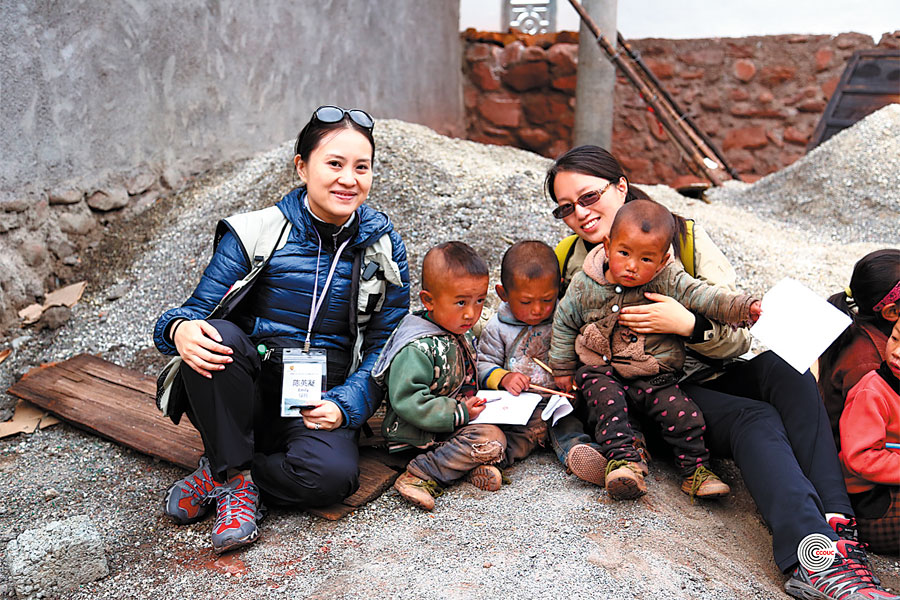
Chan identifies a common thread running through the disaster-hit areas to which she leads her students. Poverty is inevitably widespread and people live far from medical centers that can provide assistance.
"The sites we select to visit must have been hit by disasters within the previous five years and be located at least five hours from the nearest medical center," she said.
The teams work to help vulnerable communities in rural and remote areas to cope with disaster before outside assistance arrives, she said.
Chan added that 70 percent of the villagers interviewed felt helpless when faced with disaster. Fewer than 5 percent had emergency kits that would help them to prepare for earthquakes, landslides or other disasters. Even simple first aid was the responsibility of village doctors. Locals had no idea how to treat even simple injuries.
"Their awareness of how to rescue themselves needed to be awakened and their proficiency in self-rescue had to be improved," Chan said.
She pointed out that first responses are crucial after a natural disaster. When an earthquake occurs, people need to be educated to stay far from slopes that might collapse, or rivers that could burst their banks. Downed power lines can deliver a fatal shock after a disaster, and people are warned not to try to swim through floodwaters unless there is no other choice.
These basics are communicated through simply illustrated posters, improvised dramas or games.
Chan and her teams also help design simple, inexpensive disaster kits, using materials easily acquired locally.
"We taught villagers to use old T-shirts as bandages to bind a wound," Chan said. Villagers are also shown how to prepare a simple rehydration solution made from salt, sugar and water. This is an effective means of treating dehydration caused by diarrhea. "While we were in Qinghai province, where sugar is not readily available, we taught villagers to use rice water instead," Chan added.






- China sees 6.522 billion domestic tourist trips in 2025
- China to boost extreme weather forecasting capabilities in 2026
- China hits 469m motor vehicles in 2025 amid drop in dangerous driving cases
- Fujian deepens cross-Strait integration with Taiwan through infrastructure and cultural initiatives
- Winter sports push tourism in NE China's Jilin
- 'Beijing Rocket Street': A launchpad for accelerated development