Discovering Beijing’s industrial-strength beauty









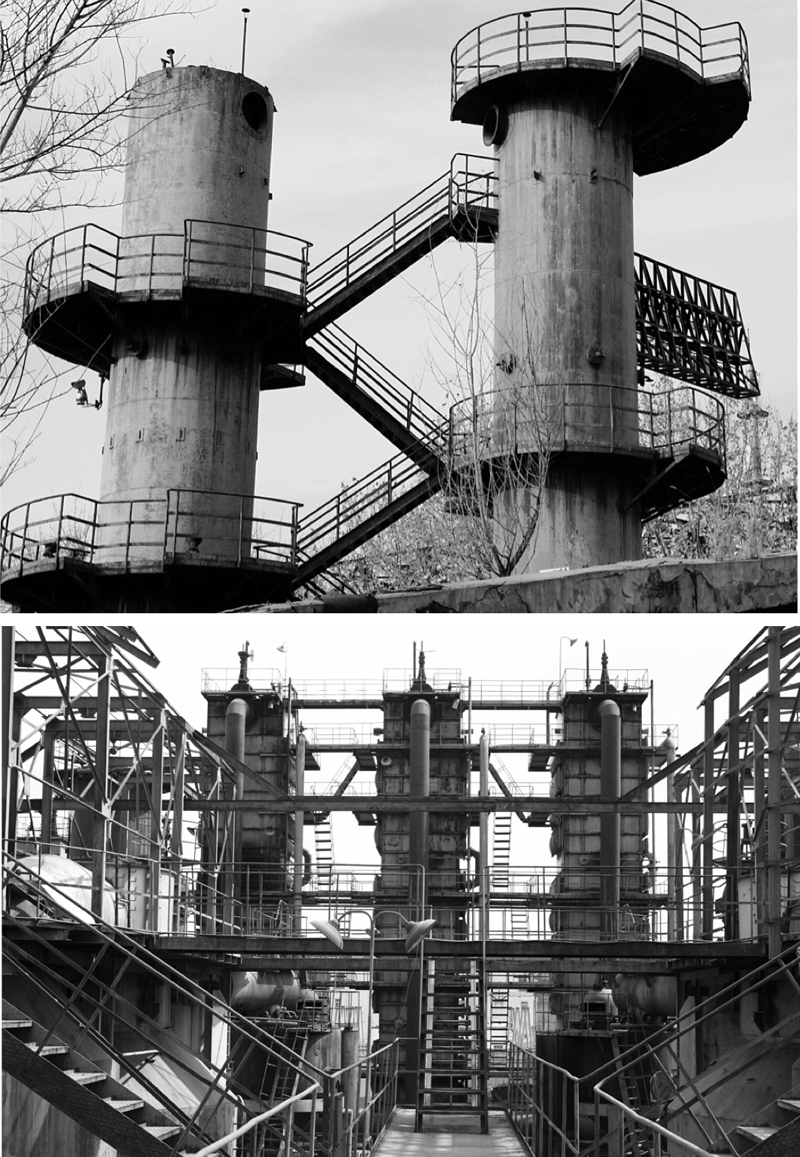
1949 saw peace returning to much of the country after long periods of turmoil. A rapid period of industrialization commenced that would forever change the landscape and social structure. Factories and steel works would, for example, produce the railway engines and machinery needed to build a new society and modern economy. Initially with help from the Soviet Union, factories which resembled miniature cities spread rapidly.
Starting in 1987 I became fascinated with the different periods of Beijing's history and growth. Living for many years in the Chaoyang district, I noticed several factories still operating in places like Guomao and what is today’s high-rise CBD. However, later there was a closure and demolition of may coal-fired plants, particularly during the late 1990s and early 2000s. The city wanted to transform into a cleaner, more modern place. Closures became more inevitable, as many younger people sought employment within more advanced enterprises.
Beijing has plenty of examples of modern, futuristic architecture. However, reminders of its 1950's industrial past remain to this day, even around the CBD. This can make for interesting walking tours trying to trace the overlapping levels and stages of the city’s growth and change. What have remained are the housing blocks, the former worker apartment buildings. Before the more market-oriented systems of today, most production was state-owned. Factories were organized as danwei or "work units", a system I personally found fascinating during my early days living and working in China. Each unit provided highly-subsidized housing, health care, education and more for its workers, which by the 1980s was proving very expensive to support. The red brick, six-floor walk-up apartments and the later 18-floor towers were part of this system, and areas such as Tuanjiehu and Hujialou formed strong community bonds that are still evident today.