Innovation, competition key to success









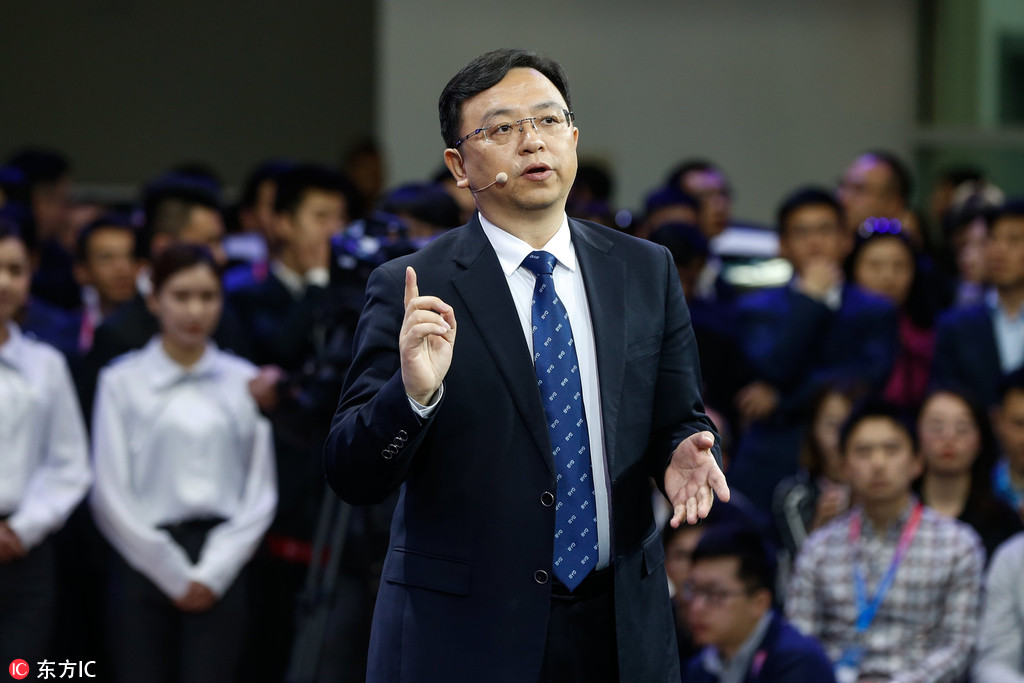
BYD chairman: Players in new energy vehicle sector will diversify in 5 years
Editor's Note: This year marks the 40th anniversary of China's reform and opening-up. China Daily interviewed top executives of well-known multinational companies for their views on the country's socioeconomic development.
Please use three words to describe China's changes in the past 40 years.
Open, competitive and innovative.
What are the biggest achievements in China since the introduction of the reform and opening-up policy 40 years ago?
China has experienced tremendous changes during the last 40 years and achieved remarkable economic prosperity. The primary achievement is the establishment of a market-oriented business environment. All kinds of professionals and organizations can compete in an impartial environment, inspiring their full potential to innovate. That's the quintessence of a market-oriented economy.
What's the biggest challenge China faces today and how can the country overcome it?
The principle contradiction facing Chinese society has evolved into the contradiction between unbalanced and inadequate development, and the people's ever-growing needs for a better life. Meanwhile air pollution and traffic congestion is also hindering people's "better life".
We need to make full use of technological advances to solve these social problems. Electric vehicles can reduce air pollution and railway systems can relieve transport congestion. These are just some solutions to promote healthy urbanization in China.
How has your company benefited from the country's reform and opening-up policy?
Without reform and opening-up, there would be no BYD. The policy has brought a market-oriented economy, releasing the great energy of market forces. Though a little surplus has emerged in the process, it is also a golden opportunity for competition-a powerful driving force for companies to keep on innovating.
In addition, the government has offered generous support to BYD, especially in terms of funding. In the beginning, our orders almost doubled every year, but we didn't have much collateral. Thanks to the authorities' guarantee, we managed to secure loans from financial institutions.
What are the biggest changes you have witnessed in the automobile industry in China?
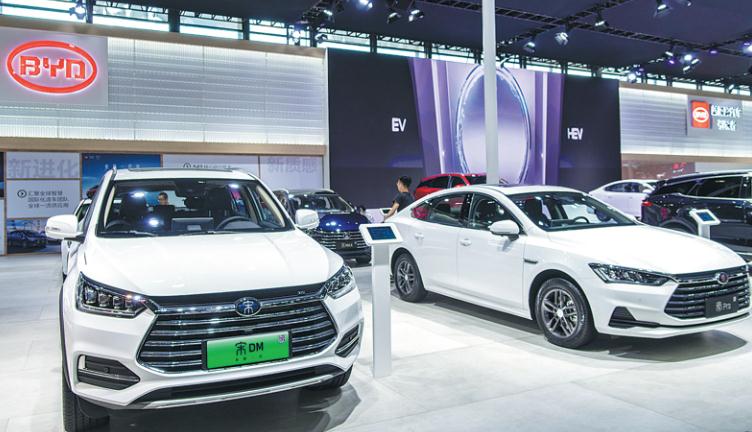
The development of new energy vehicles. Demand has been impressively strong this year. Sales in the first half more than doubled year-on-year. I believe the sector will be even more popular in the future.
Another change is the development of domestic automobile brands. The players in the arena, including newcomers and traditional carmakers, will diversify in next five years. In fact, it has already happened in some segments, such as electric buses.
BYD has expanded to more than 50 countries and regions globally. What are your biggest impressions from such experiences?
We should rely on innovation rather than low prices to tap the international market. The differentiation of products can propel Chinese companies to expand around the world. When exploring the British market, for example, we encountered huge resistance, as the red bus is regarded as iconic. Some politicians refused to let us in. But we finally made it, thanks to creative solutions-a doubledecker electric bus suited to their narrow roads.
What are the advantages and shortfalls of Chinese companies, especially when they want to expand overseas?
Chinese are hardworking, smart and brave, and they value education, but we also have many disadvantages. First, companies in emerging industries need to make extra efforts to earn trust. Second, many foreign companies have a stereotype of Chinese companies, which usually assumes we sell cheap and low-quality products. Third, cultural differences, including language barriers, and local management and legal issues can become a difficulty when going out to overseas markets, especially in North American and European countries.
What trends do you think are shaping the automobile industry in China?
The intelligentization of cars. Smart cars are like smartphones with wheels, meaning they can provide more services than mobile phones. Their potential in the future is far more than we can imagine. BYD was the first mover globally to open-source all sensors in a car and I believe more companies will follow. I hope to establish a new and open ecosystem, stronger than that in the phone industry, and that will change our lives.
CV
Name: Wang Chuanfu
Age: 52
Nationality: China
Career:
1995-present: Chairman and President of BYD Company Ltd
1993-94: General manager at Shenzhen Bak Battery Co Ltd
1990-95: Deputy head of research at the General Research Institute for Nonferrous Metals in Beijing
Education:
Master's degree in metallurgical physical chemistry from the General Research Institute for Nonferrous Metals
Family: Married