Nation leads world in decarbonization









China registered a higher rate of decarbonization than any of the world's major economies for the second year running, according to a new report published by London-based consultancy PwC.
China reduced its carbon intensity by 5.2 percent in 2017, PwC, also known as PricewaterhouseCoopers, found in its annual Low Carbon Economy Index of G20 members. Carbon intensity rates are measured by comparing greenhouse gas emissions with a nation's energy demand and gross domestic product.
While emissions levels in China actually rose by 1.4 percent last year, this increase was low in comparison to a high GDP growth rate of 6.9 percent and an increase in energy demand.
The United Kingdom also performed well in the index, registering an average drop in carbon intensity of 3.7 percent over the past 10 years, the best of all nations studied. In 2017, UK carbon intensity dropped by 4.7 percent, the fourth-best in the G20 behind China, Mexico and Argentina.
Overall, PwC found that global emissions are now on the rise again - by 1.1 percent - after having plateaued for the past three years. Global energy demand rose by 2.1 percent last year, more than twice the rate in 2016, and most of the increased energy demand was met with fossil fuels, according to the report.
"The gap between the current decarbonization rate and that needed to limit global warming to 2 degrees Celsius is widening," the report said. "There seems to be almost zero chance of limiting warming to well below 2 degrees, the main goal of the Paris Agreement."
The PwC study coincided with the release of a report by the United Nations Intergovernmental Panel on Climate Change that said the world has only 12 years to limit a climate change catastrophe.
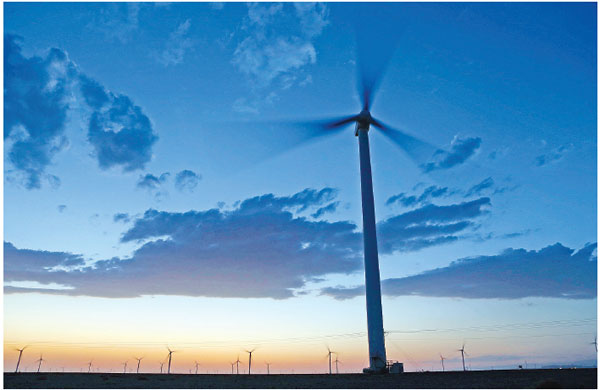
In China last year, PwC found that renewable power generation rose by 25 million metric tons of oil equivalent, which is an energy usage measurement. This was driven by a 71 percent increase in solar energy and a 20 percent increase in wind energy.
Coal use in China increased by 1 percent last year, following several years of reductions. PwC attributed the rise to the opening of coal-fired power generation plants.
"Despite this growth, political signals do not suggest that coal consumption will grow long term in China again as pollution control is at the top of the political agenda," the report stated.
China also saw the highest percentage increase in the use of natural gas - 15 percent. This is largely associated with residential heating and small industrial boilers switching from coal to gas.
"Despite growth of fossil fuels, China has positioned itself as a global engine for renewable deployment," the report said. "It has made significant strides toward meeting its pledge under the Paris Agreement to generate 20 percent of its energy in 2030 from low-carbon sources."