



Looted cultural heritage ought to be restituted: China Daily editorial









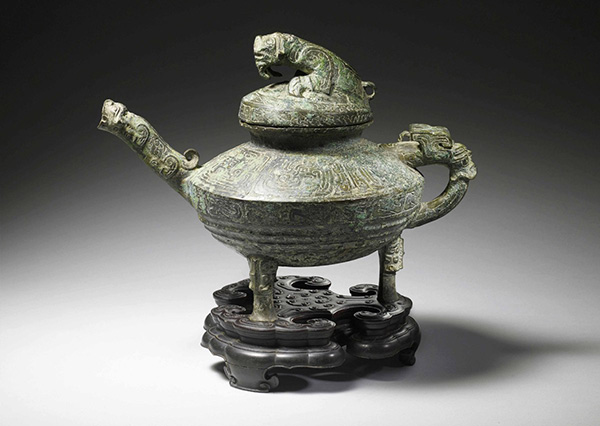
Canterbury Auction Galleries in the United Kingdom has turned a deaf ear to the State Administration of Cultural Heritage’s urging that it cancel the auction of a rare Chinese bronze water vessel looted by a British soldier from Beijing’s Old Summer Palace in 1860.
It may think it has done nothing wrong in proceeding to auction the item on Wednesday.
It is true, as the British auction house reportedly argued, that there is no law in the United Kingdom preventing it from doing so, and that a UNESCO convention, adopted in 1970, to prohibit the illicit import, export and transfer of cultural relics, to which the UK became a party in 2002, is not retroactive.
But auctioning such spoils not only disregards the feelings of the Chinese people, it is also tantamount to giving connivance to an appalling act of cultural theft.
The ransacking of the Old Summer Palace by the French and British troops during the Second Opium War (1856-60), one of the most infamous chapters in Chinese history, resulted in the loss of many cultural treasures, which China has been trying to recover.
Yuanmingyuan, Garden of Perfect Brightness, once had the most fabulous collection of cultural treasures in the country and its looting and ruin is a unhealed historical wound cut deep into the nation’s psyche. The auctioning of the vessel, which dates back to the Western Zhou Dynasty (c. 11th century-771 BC) has thus sparked fierce public indignation.
The repatriation of looted cultural heritage to the country of origin has increasingly become accepted as an obligation by people around the world. Yet those that benefit from stolen or illegally exported cultural objects, whether as sellers, buyers or facilitators, still resist this legitimate consensus.
The Chinese Cultural Relics Society has estimated that China lost more than 10 million antiques since 1840 because of wartime looting and illegal excavations, and the Chinese government is making great efforts to restitute these items and put an end to the illicit trade in them.
Other countries can play their part by recognizing the fundamental importance of the protection of cultural heritage and effectively combating the trade in illicitly acquired cultural objects.
Compensation to the present owners may be needed to effect restitution and return, but intervention is needed to curb sales of cultural objects that were acquired illicitly.





