CHINA> Listen to China Daily


|
CHINA> Listen to China Daily
|
|
Related
Children without a way home
(chinadaily.com.cn)
Updated: 2009-10-29 13:30
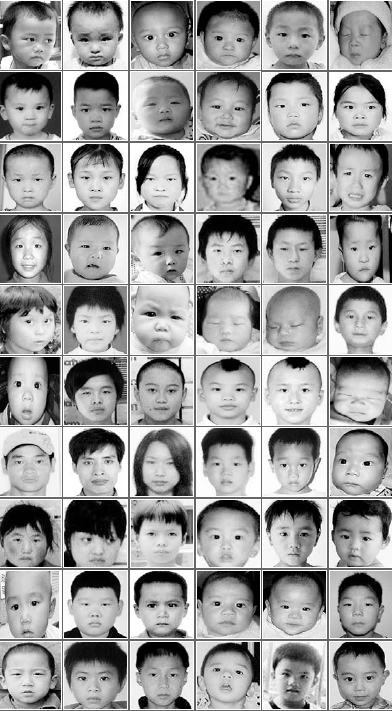
The 60 children peer out from the screen, watching, wondering, hoping for cheerful endings to their tales. For each of them, the story starts the same: kidnapped, stolen, missing, gone without a trace. And despite the best police efforts, even if the children are found, reuniting them with parents whose names and whereabouts may be unknown can prove impossible. So in a move to reconnect families, the Ministry of Public Security released information on about 60 rescued children on its website yesterday.
"It's the first time the ministry has published data about children whose parents couldn't be found through the national DNA database," lawyer Zhang Zhiwei, a volunteer with nongovernmental organization Baby Come Home, told China Daily yesterday. The data includes the 60 children's photos, ages, the time they went missing and how to contact the department in charge. "Even if I can't find my boy's photo on the website today, it's a blessing for desperate parents like us who have nearly lost hope," Tang Weihua, a mother who lost her 5-year-old son in 1999, told China Daily in a telephone interview yesterday. About 30,000 to 60,000 children are reported missing every year, but it is hard to estimate how many are involved in trafficking cases, according to the Ministry of Public Security. "The national DNA database has only 20,000 to 30,000 records, which is far from enough," Zhang said. Information in the database is shared among the country's 236 DNA laboratories. It includes DNA of the missing children given by their parents, as well as samples taken from children suspected of having been abducted or from vagrant children with an unclear history. Police have saved more than 2,000 missing children since a nationwide anti-trafficking campaign was launched on April 9, according to the ministry. Zhang said the building of the national database has been slow because of a lack of funds. He has inspired more than 20,000 volunteers to share information about missing children. "The ministry has urged local police departments to fund this themselves, but the departments are complaining that the blood samples needed for DNA tests are too expensive," he said. For example, one DNA test costs at least 2,400 yuan ($350) in Beijing. The fee varies in different provinces, he said. He also noted that a large number of missing children may be among the 100,000 or more children living in welfare institutions or orphanages. Zhang said most of the buyers treat the children well and most buy a child because they either want a son or because they are unable to have a child themselves. As the children are generally young when they are kidnapped, they frequently develop emotional connections with the people who bought them, almost like they were real offspring. "In some cases, families who get their children back even have to sign a contract with the buyers in order to comfort the children, who want to live with the buyers for several months every year," he said.
About the broadcaster:
Nancy Matos is a foreign expert at China Daily Website. Born and raised in Vancouver, Canada, Nancy is a graduate of the Broadcast Journalism and Media program at the British Columbia Institute of Technology. Her journalism career in broadcast and print has taken her around the world from New York to Portugal and now Beijing. Nancy is happy to make the move to China and join the China Daily team. |
古浪县|
噶尔县|
唐海县|
根河市|
新干县|
兰西县|
昌图县|
贡山|
永靖县|
永昌县|
湟中县|
青州市|
连云港市|
延寿县|
石柱|
筠连县|
日照市|
左云县|
朔州市|
泽普县|
青神县|
瑞安市|
河间市|
福泉市|
邹平县|
紫云|
饶平县|
万州区|
鸡东县|
上思县|
吉林市|
萨嘎县|
乐安县|
新竹县|
昭平县|
台湾省|
芦溪县|
旬阳县|
绥棱县|
株洲县|
托里县|